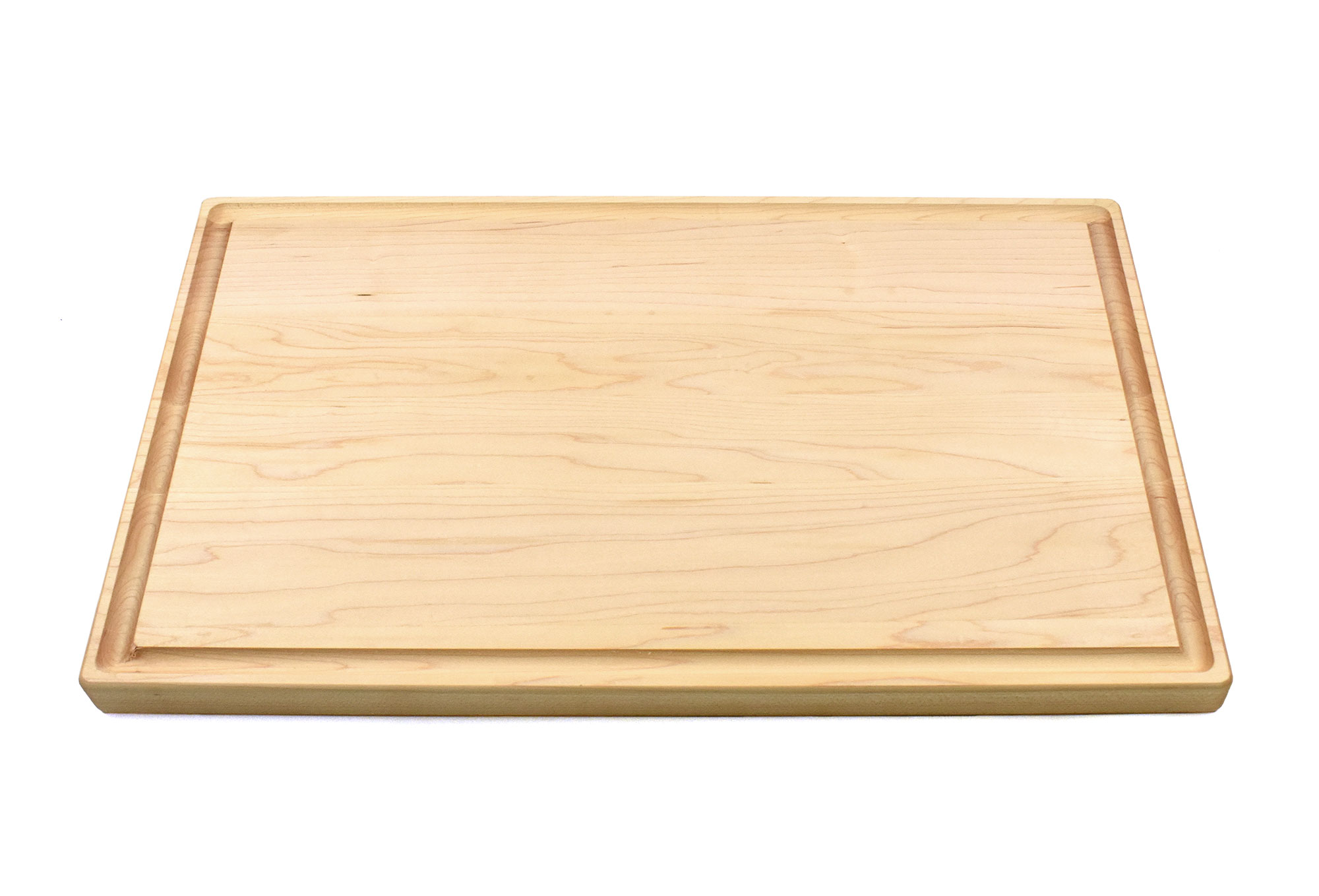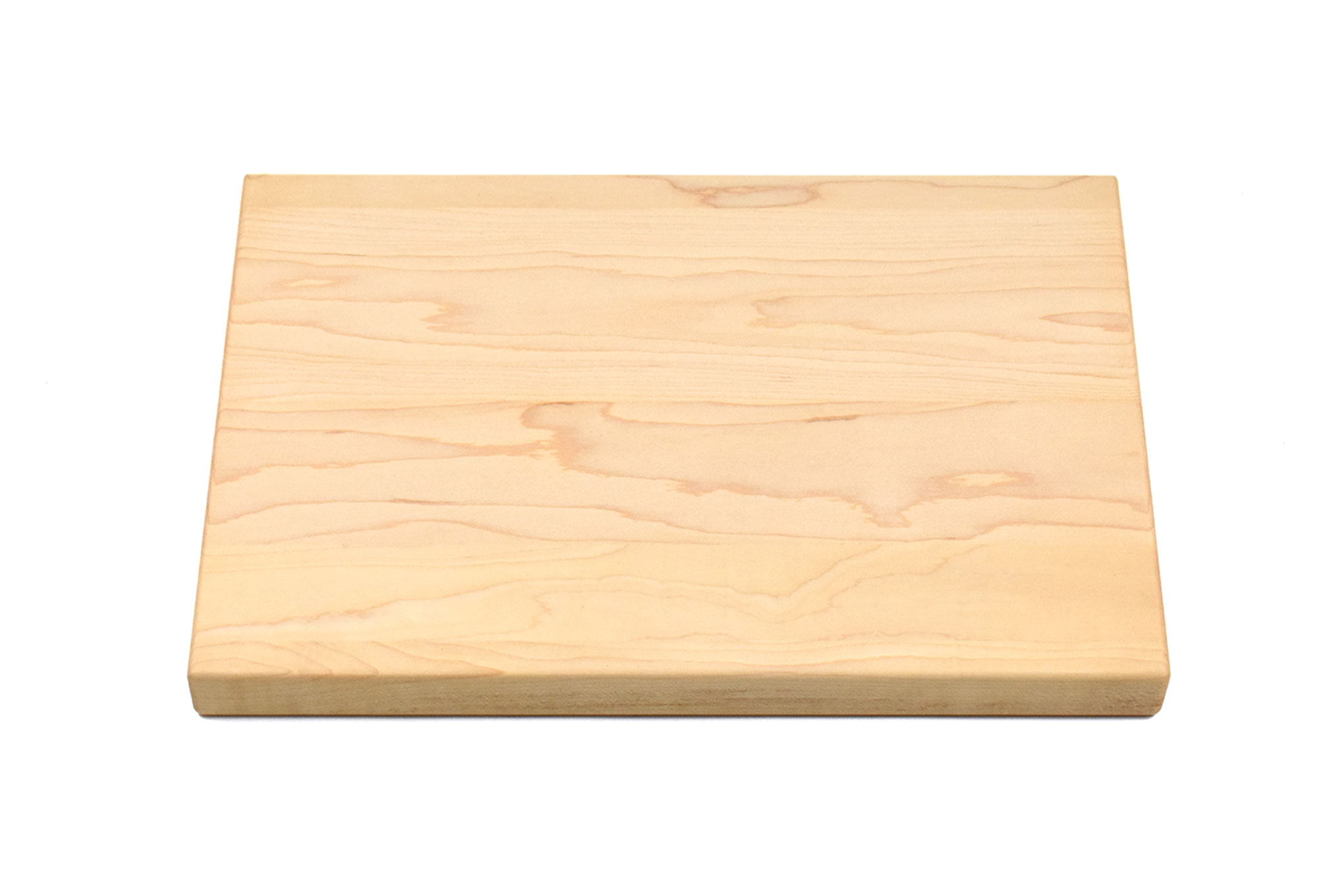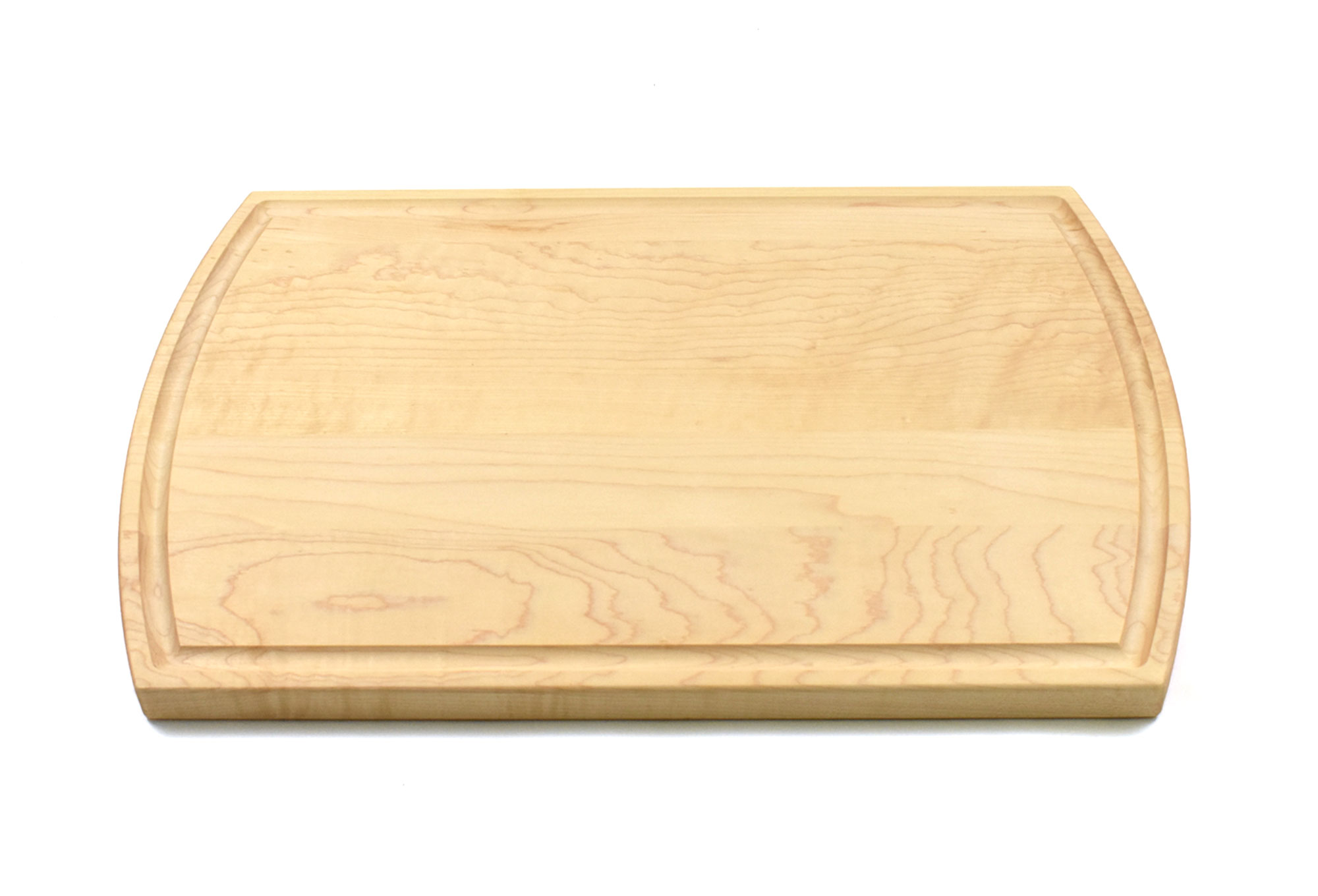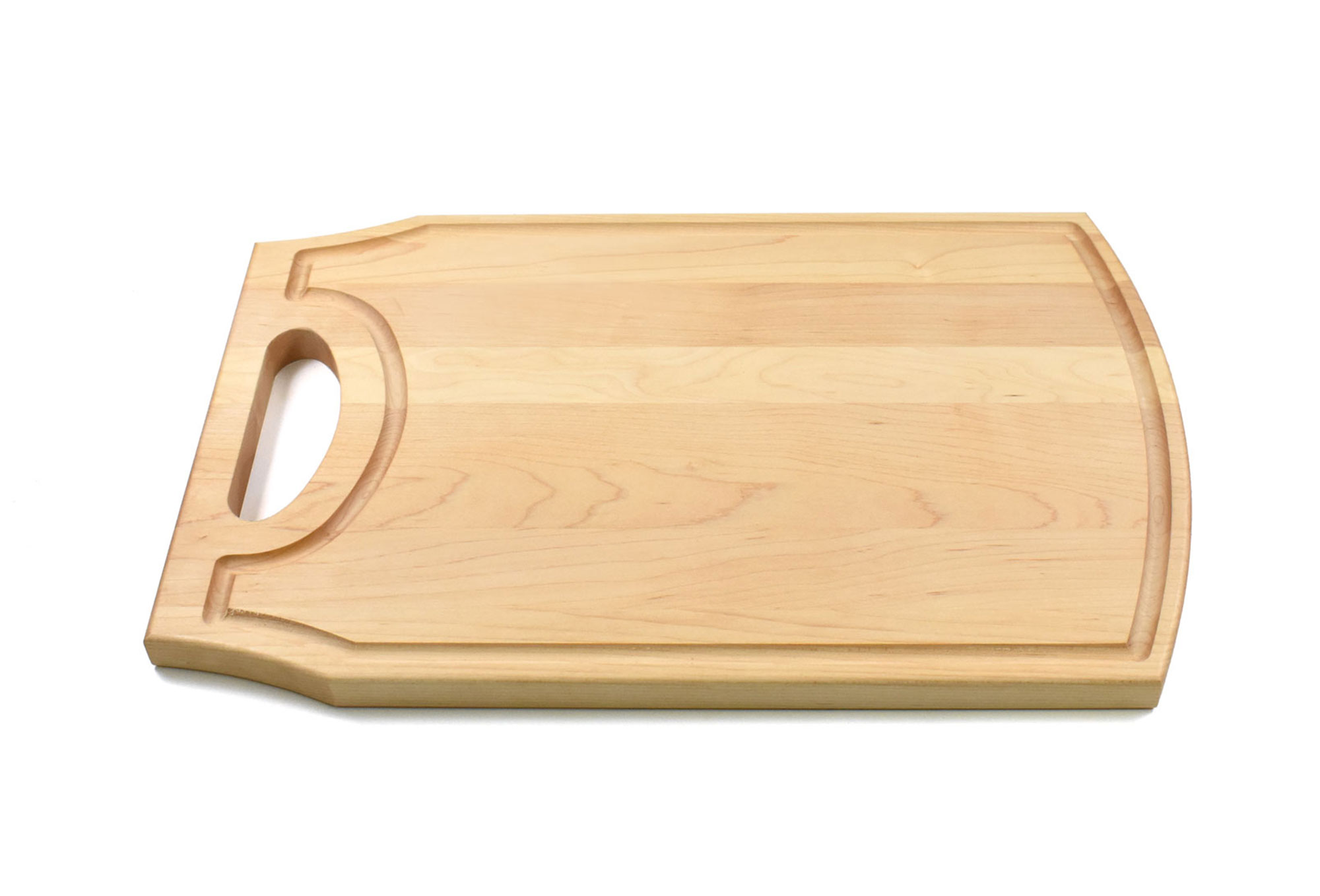
Over time, even the best wooden cutting boards can start to look dry, dull, or worn. Knife marks become more visible, the surface feels rough, and the wood loses its natural richness.
The good news? Most wooden cutting boards can be fully restored with a few simple steps — no special tools required.
Signs Your Cutting Board Needs Restoration
• The surface looks faded or gray
• The wood absorbs water immediately
• The board feels rough or fibrous
• Deep knife marks are visible
• The board has lost its natural sheen
What You’ll Need
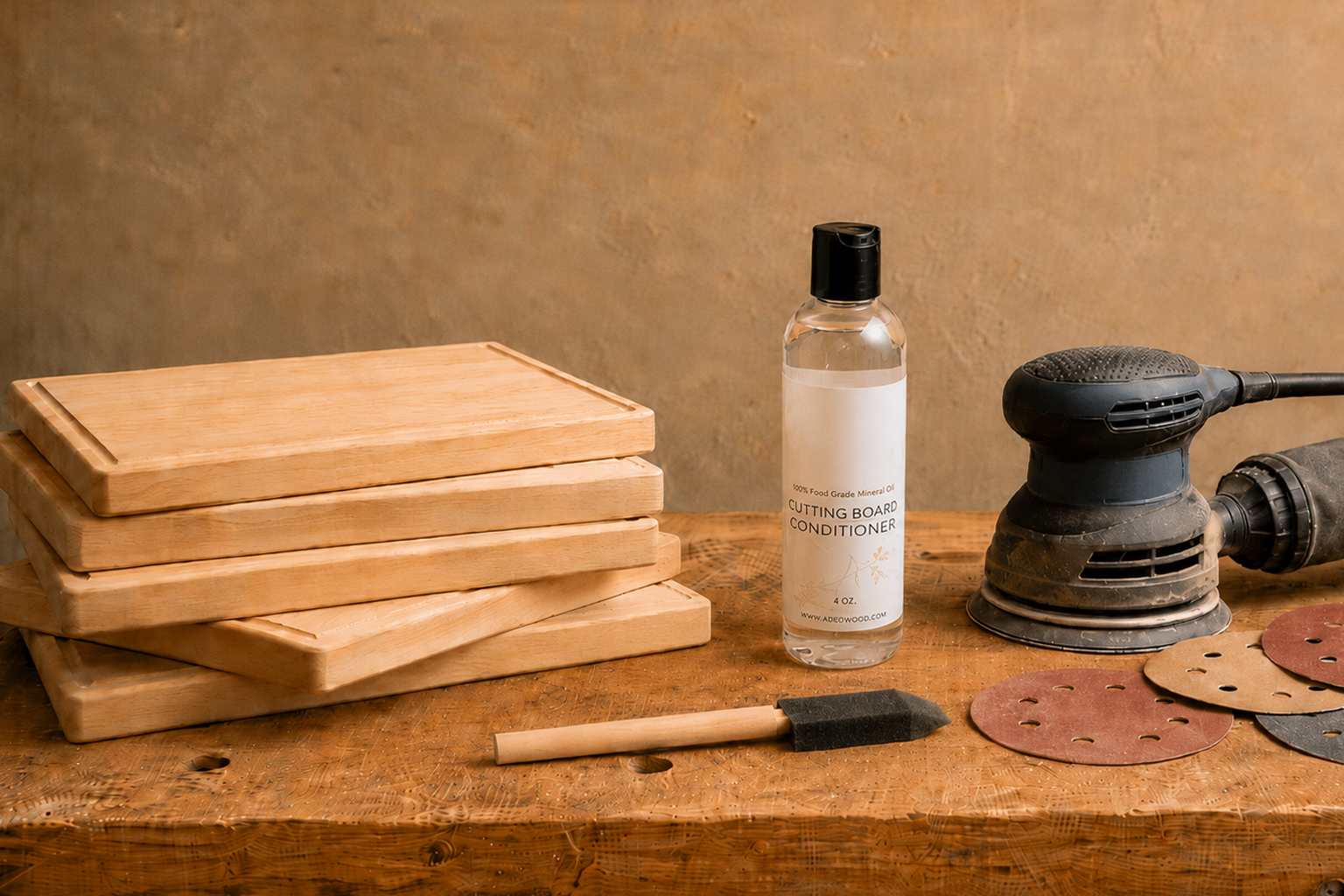
• Hot water and mild dish soap
• White vinegar or 3% hydrogen peroxide
• Food-safe mineral oil or board cream
• Fine sandpaper (220–320 grit)
• Clean cloths or paper towels
Step 1: Clean and Sanitize the Board
Start by washing the board with hot, soapy water to remove grease and food residue. Scrub thoroughly, especially in knife grooves.
For sanitizing, wipe the surface with white vinegar or hydrogen peroxide, then allow the board to air-dry completely.
Step 2: Light Sanding (If Needed)
If the surface feels rough or shows deep knife marks, lightly sand the board following the grain of the wood.
Tip: Only sand enough to smooth the surface — avoid removing excess material.
Step 3: Remove Dust and Residue
Wipe the board with a damp cloth to remove sanding dust, then allow it to dry fully before applying oil.
Step 4: Oil the Board Generously
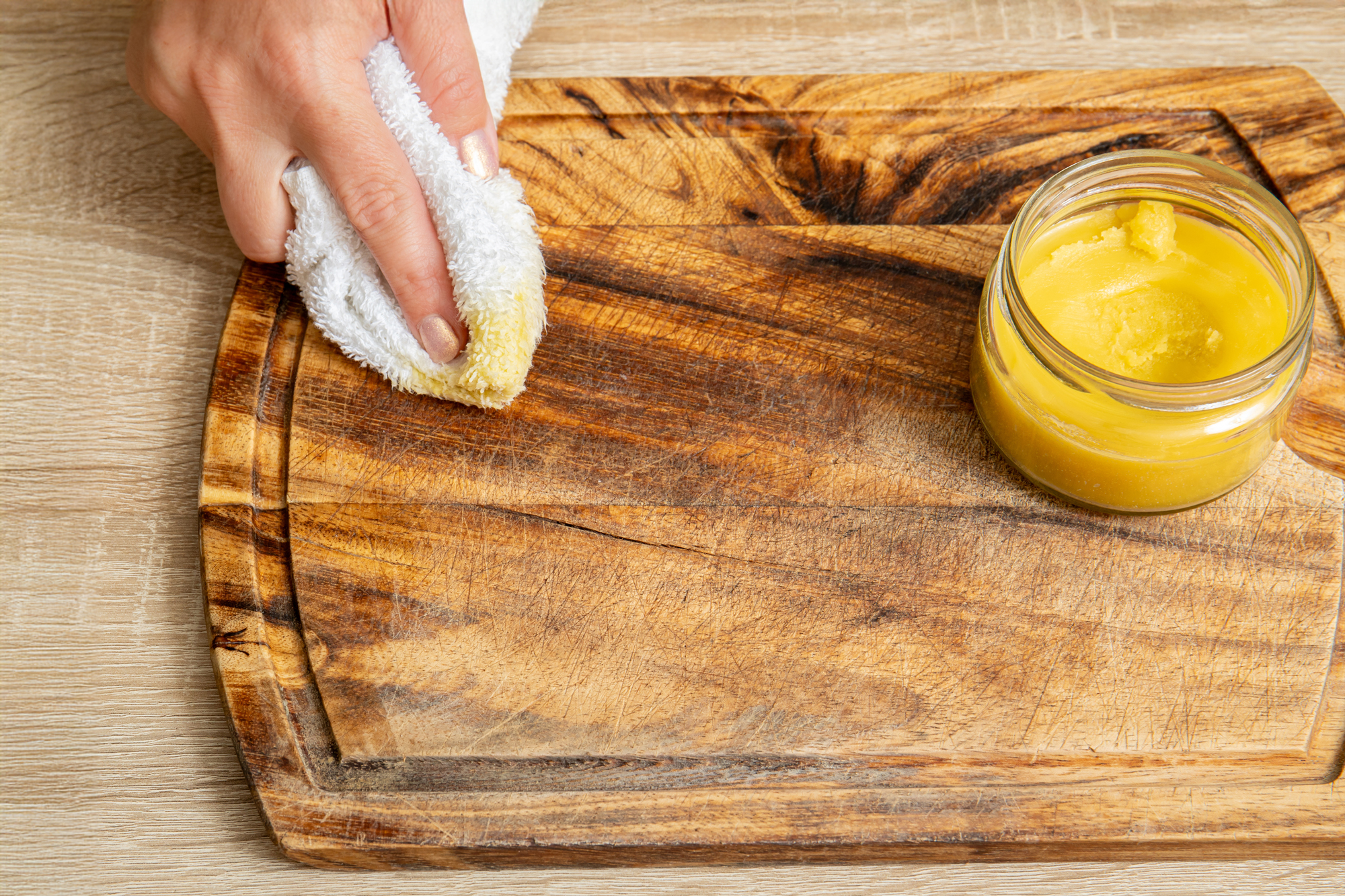
Apply a generous amount of food-safe mineral oil or board cream using a clean cloth. Spread evenly over the entire surface, including edges and handles.
Let the oil soak in for several hours or overnight.
Step 5: Buff and Repeat if Necessary
Wipe away excess oil and buff the surface until smooth. If the wood still looks dry, apply a second coat.
How Often Should You Restore a Board?
• Light maintenance oiling: every 2–4 weeks
• Full restoration (sanding + oiling): 1–2 times per year, depending on use
What to Avoid During Restoration
• Do not soak the board in water
• Avoid dishwashers or heat drying
• Never use vegetable or olive oil (they go rancid)
• Do not over-sand the board
When a Board Can’t Be Restored
• Deep cracks that split through the board
• Mold growth inside the wood
• Warping that prevents the board from laying flat
Final Thoughts
Restoring a wooden cutting board is simple, cost-effective, and extremely rewarding. With proper care, a high-quality hardwood board can last for many years — often looking better with age.
Need a board that’s built to last?
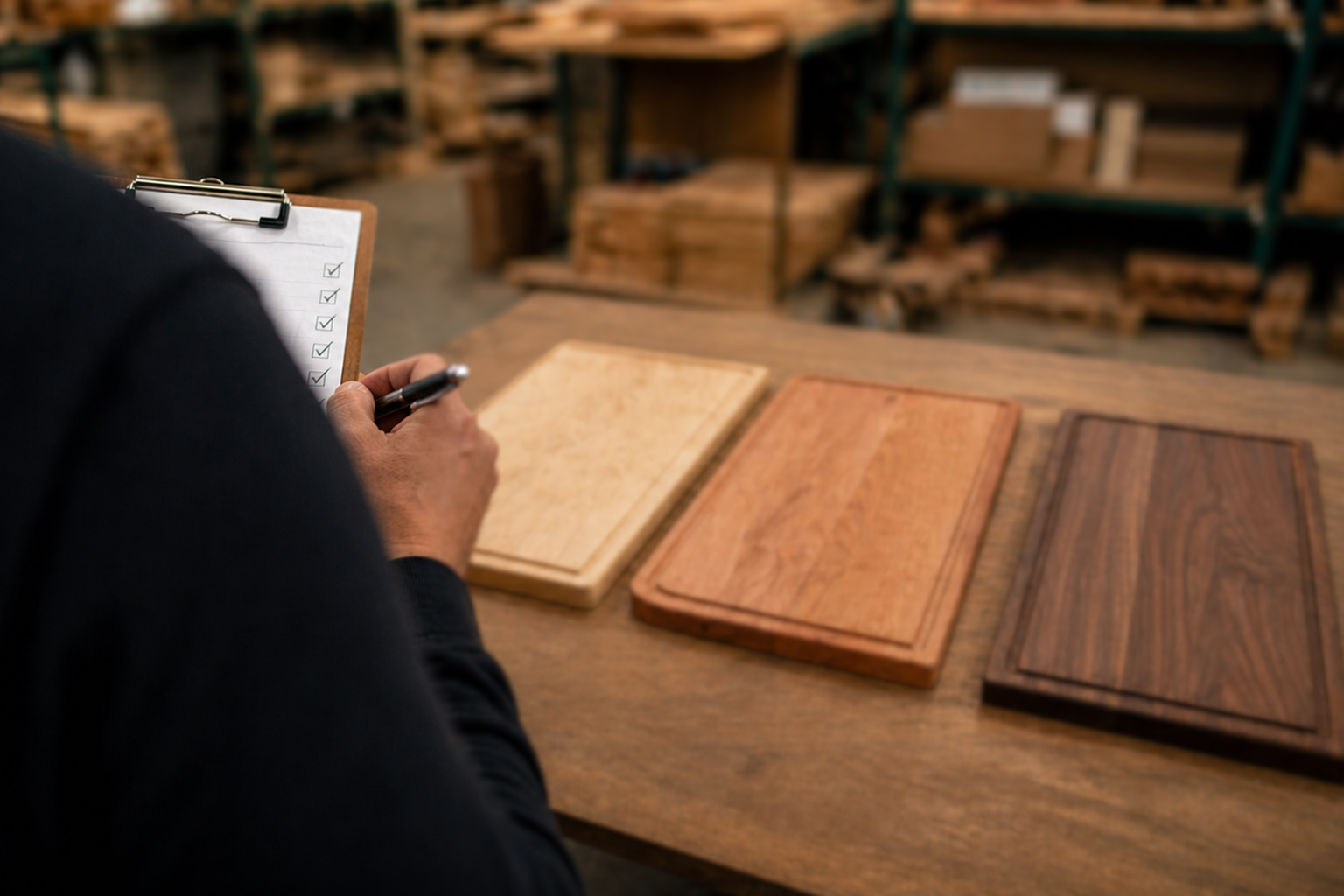
Explore our collection of premium maple, cherry, and walnut cutting boards — crafted for durability, beauty, and easy maintenance.




 Manufactured in
 BRANDING SERVICES