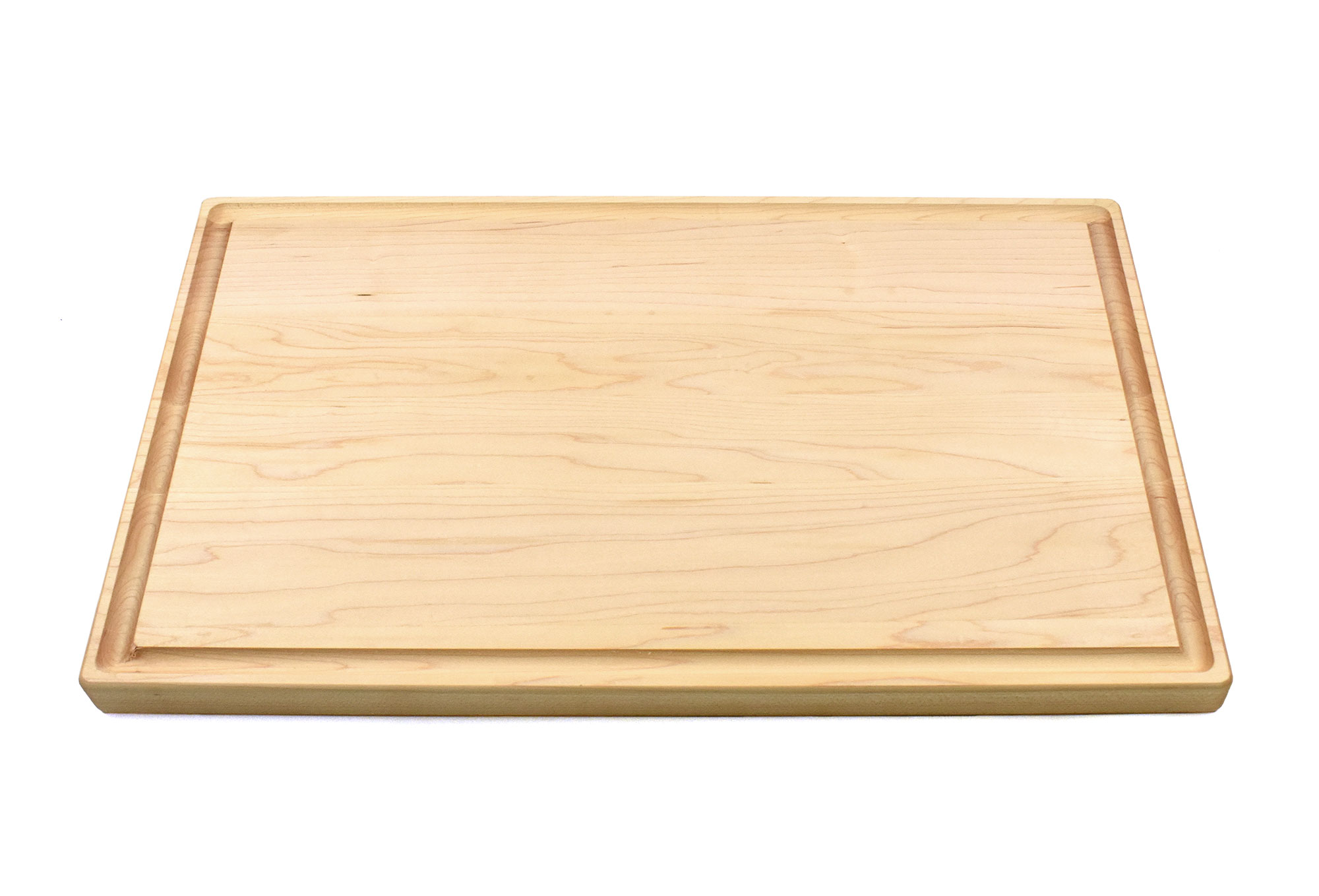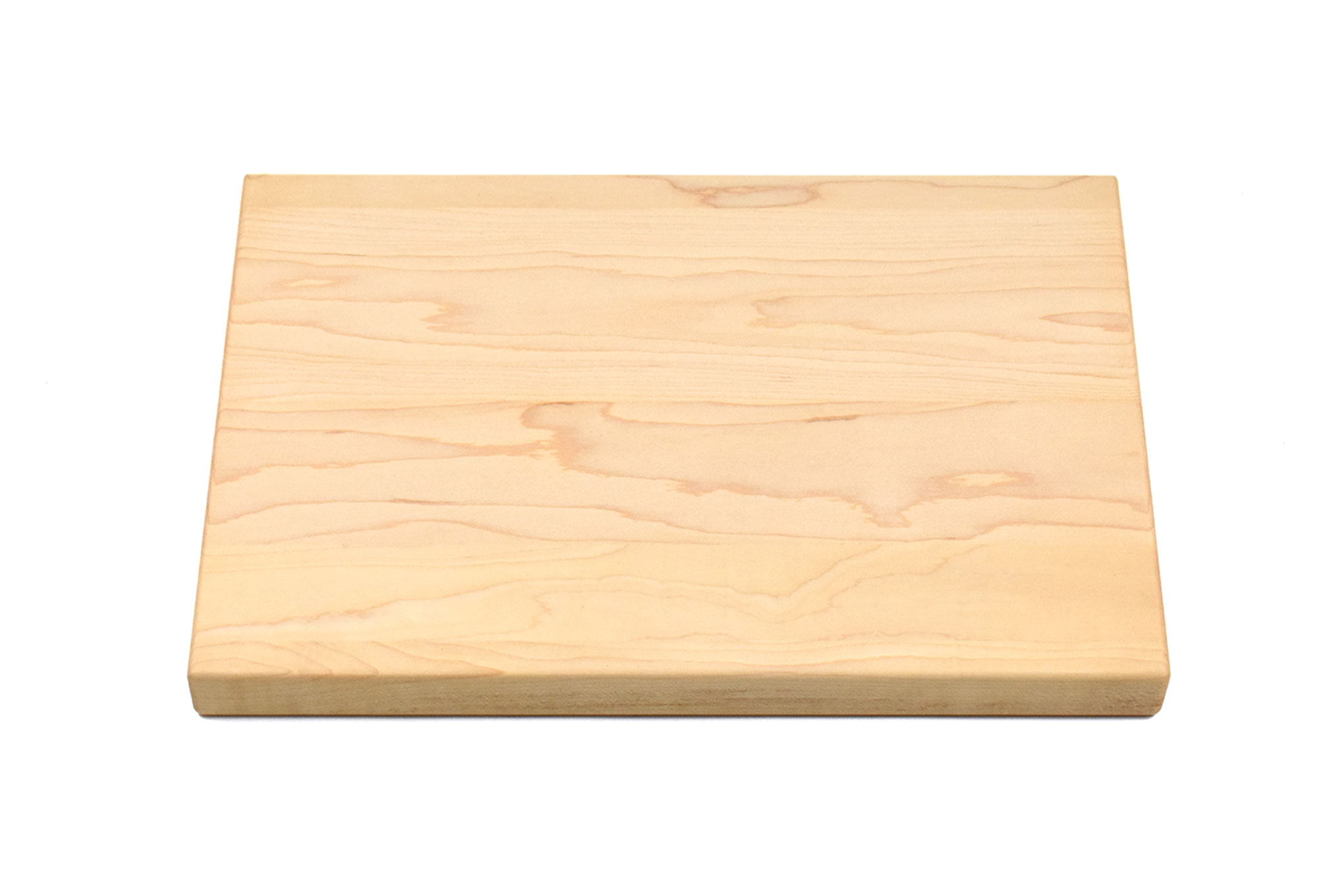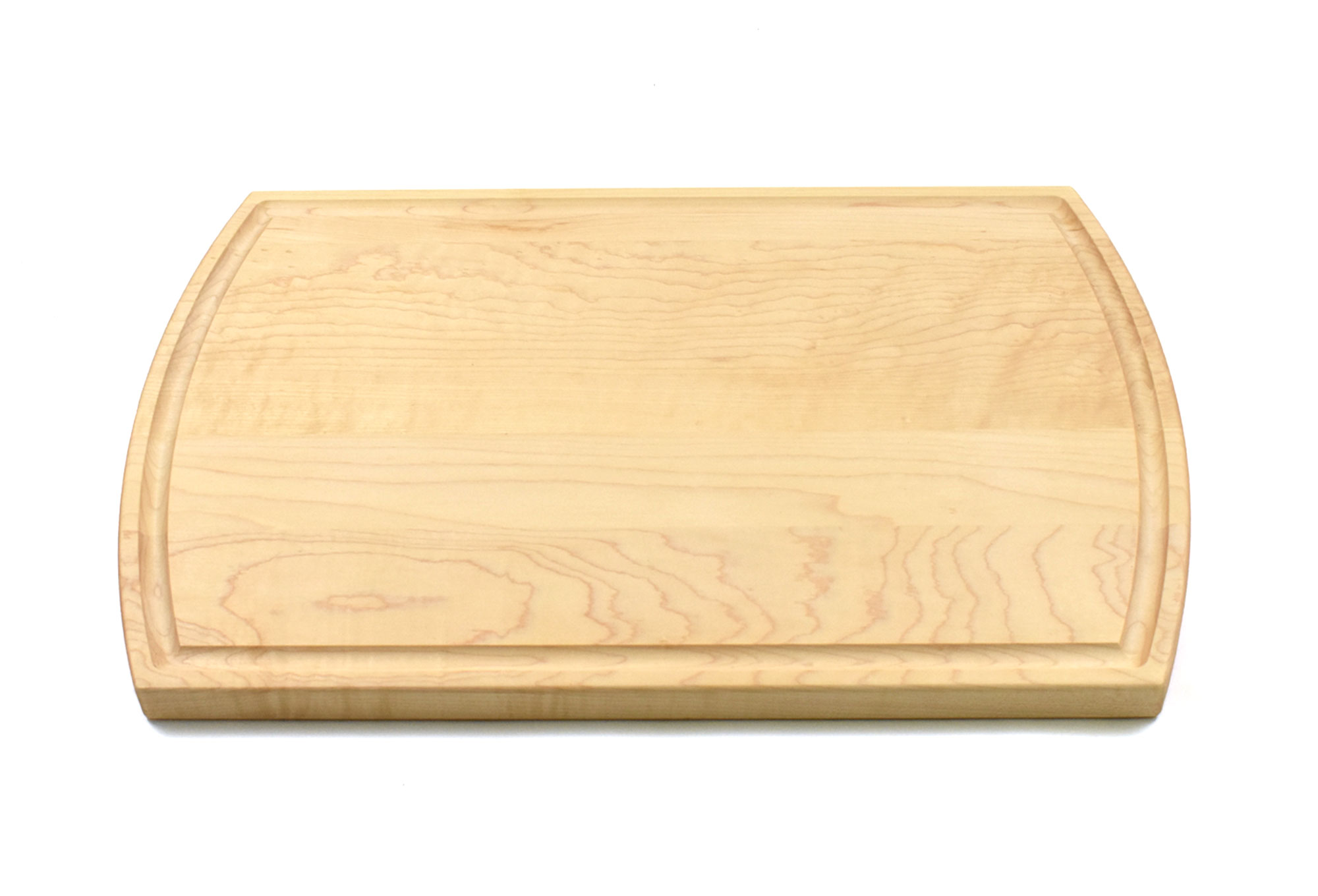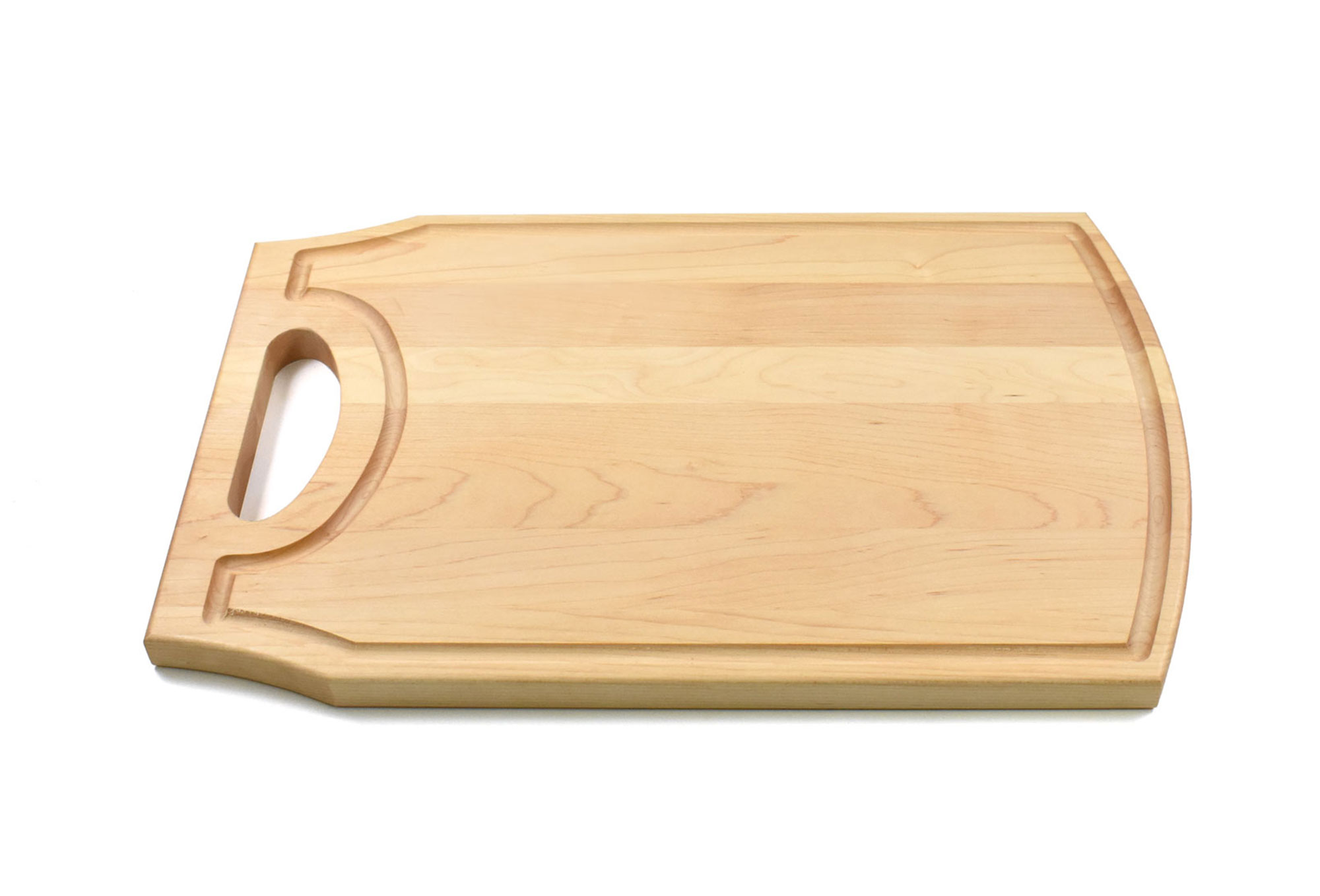
Choosing the Right Cutting Board Size & Thickness
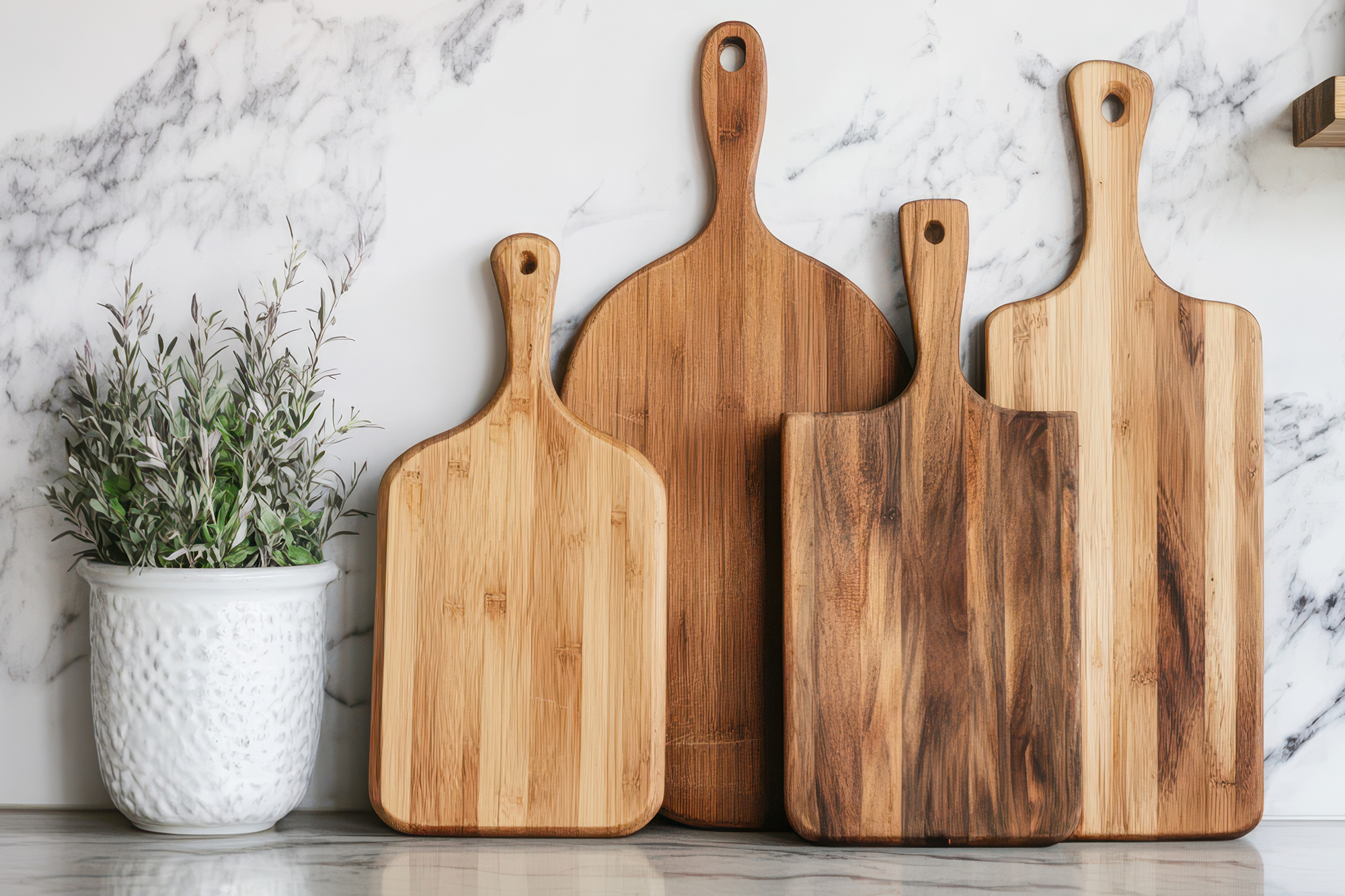
When selecting a cutting board, material and construction matter — but size and thickness are just as important. A board that’s too small becomes frustrating to use, while one that’s too large can be difficult to handle or store.
Understanding how board dimensions affect performance helps you choose the right option for your kitchen or your customers.
Why Board Size Matters
A larger board provides more working space, allowing ingredients to stay contained while cutting. Smaller boards may work for quick tasks but quickly become crowded during meal prep.
Small Boards (Under 12")
Small boards are convenient for quick slicing jobs or serving tasks.
Best for:
• Cutting fruit or small garnishes
• Quick snack prep
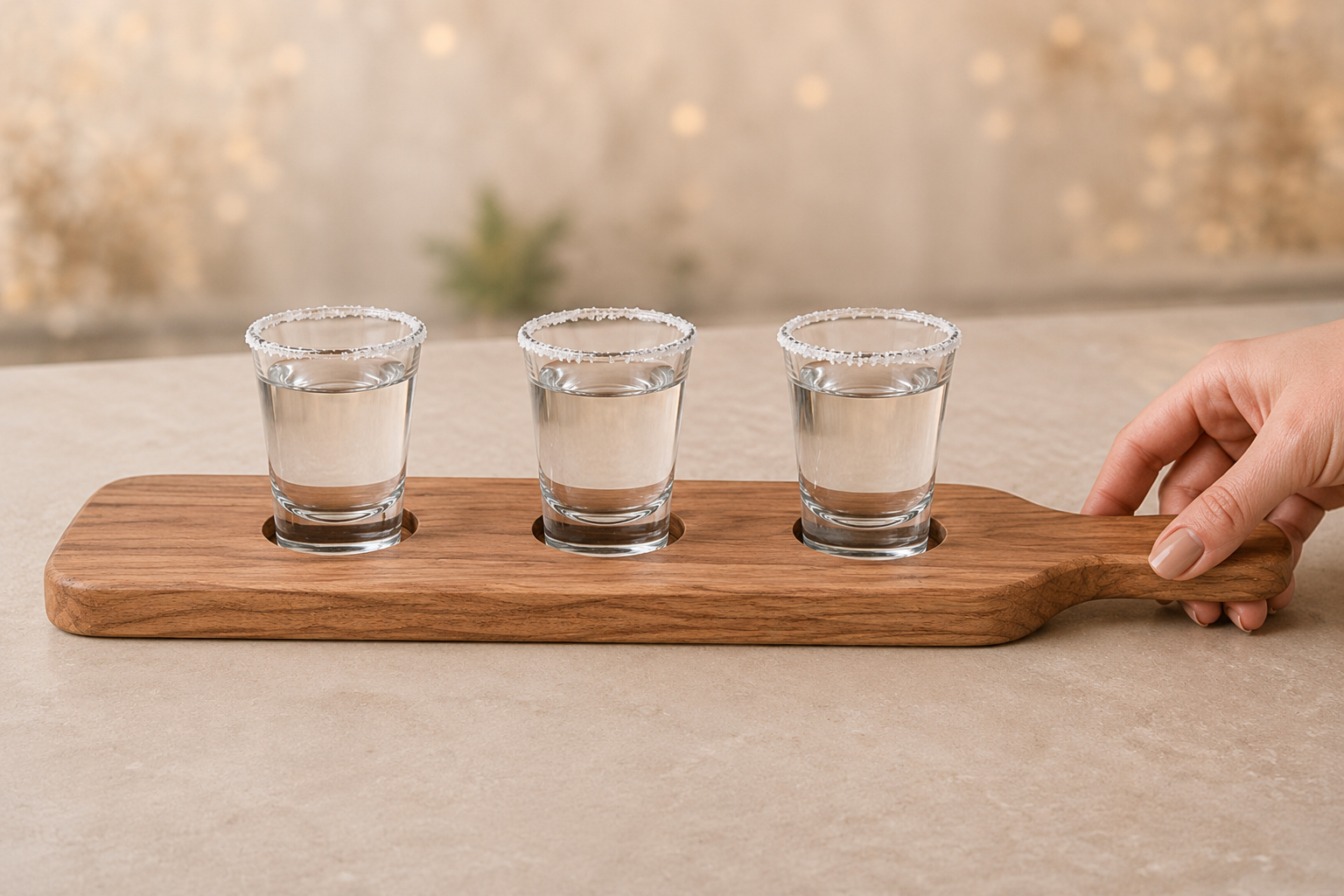
• Serving cheese or appetizers
• Compact kitchens or travel use
Medium Boards (12"–16")
This is the most versatile size for everyday kitchens. Medium boards provide enough space for meal prep while remaining easy to clean and store.
Best for:
• Daily cooking tasks
• Vegetable and meat prep
• Family meal preparation
Large Boards (18"+)
Larger boards are ideal for serious cooks or anyone who prepares meals frequently. They provide generous workspace and reduce mess.
Best for:
• Preparing large quantities of food
• Carving meats
• Professional or heavy home cooking
• Countertop workstation setups
How Thickness Affects Performance
Thickness impacts durability, stability, and overall feel. Thicker boards tend to stay in place and resist warping over time.
Common Thickness Options
• 3/4" — Lightweight and easy to handle, ideal for serving boards or lighter prep.
• 1" — Balanced thickness for everyday cutting boards.
• 1 1/2" and thicker — Heavy-duty boards built for stability and long-term durability.
Size & Thickness Comparison
| Board Type | Recommended Size | Recommended Thickness |
|---|---|---|
| Quick Prep / Serving | Under 12" | 3/4" |
| Everyday Cooking | 12"–16" | 1" |
| Heavy Meal Prep | 18"+ | 1 1/2"+ |
Which Size Should You Choose?
If you cook occasionally, a medium-sized board offers the best balance. Frequent cooks benefit from larger boards that provide more workspace, while smaller boards work well as serving or secondary prep boards.
Final Thoughts
The ideal cutting board size depends on your cooking habits, kitchen space, and storage options. Choosing the right thickness ensures stability and durability, making meal preparation easier and more enjoyable.
Looking for the perfect size?
Explore our collection of cutting boards available in multiple sizes and thicknesses — crafted for everyday performance and long-lasting quality.




 Manufactured in
 BRANDING SERVICES