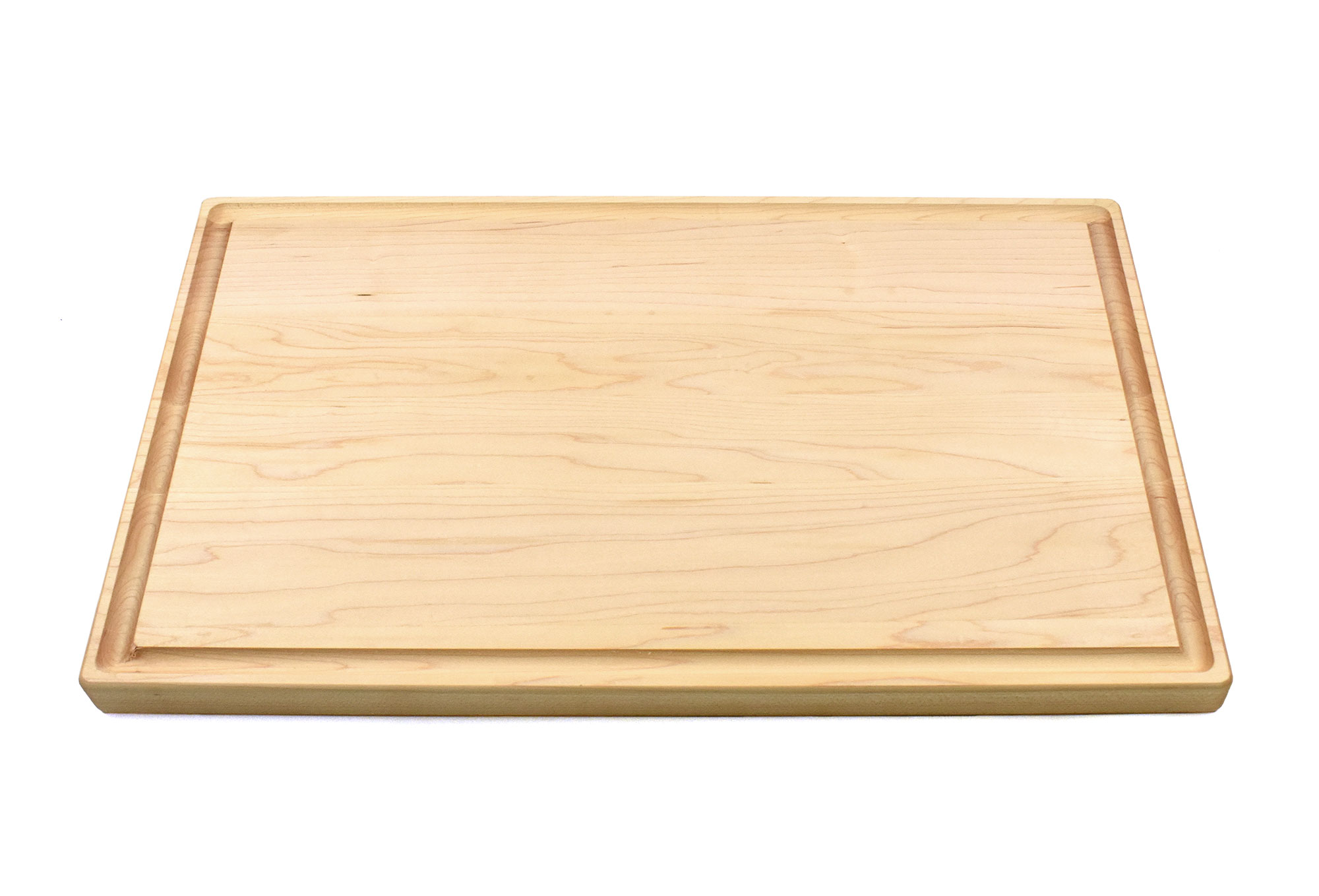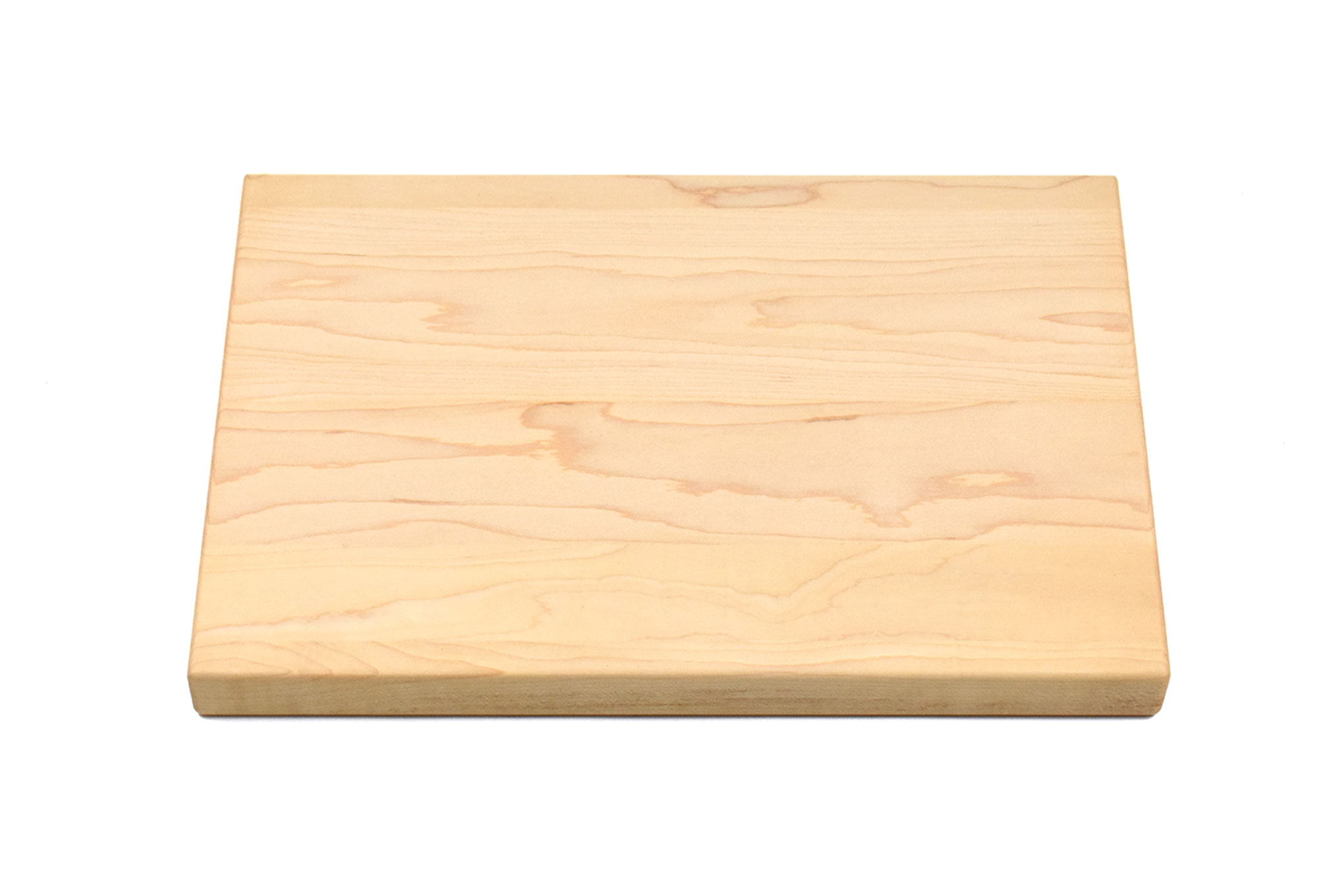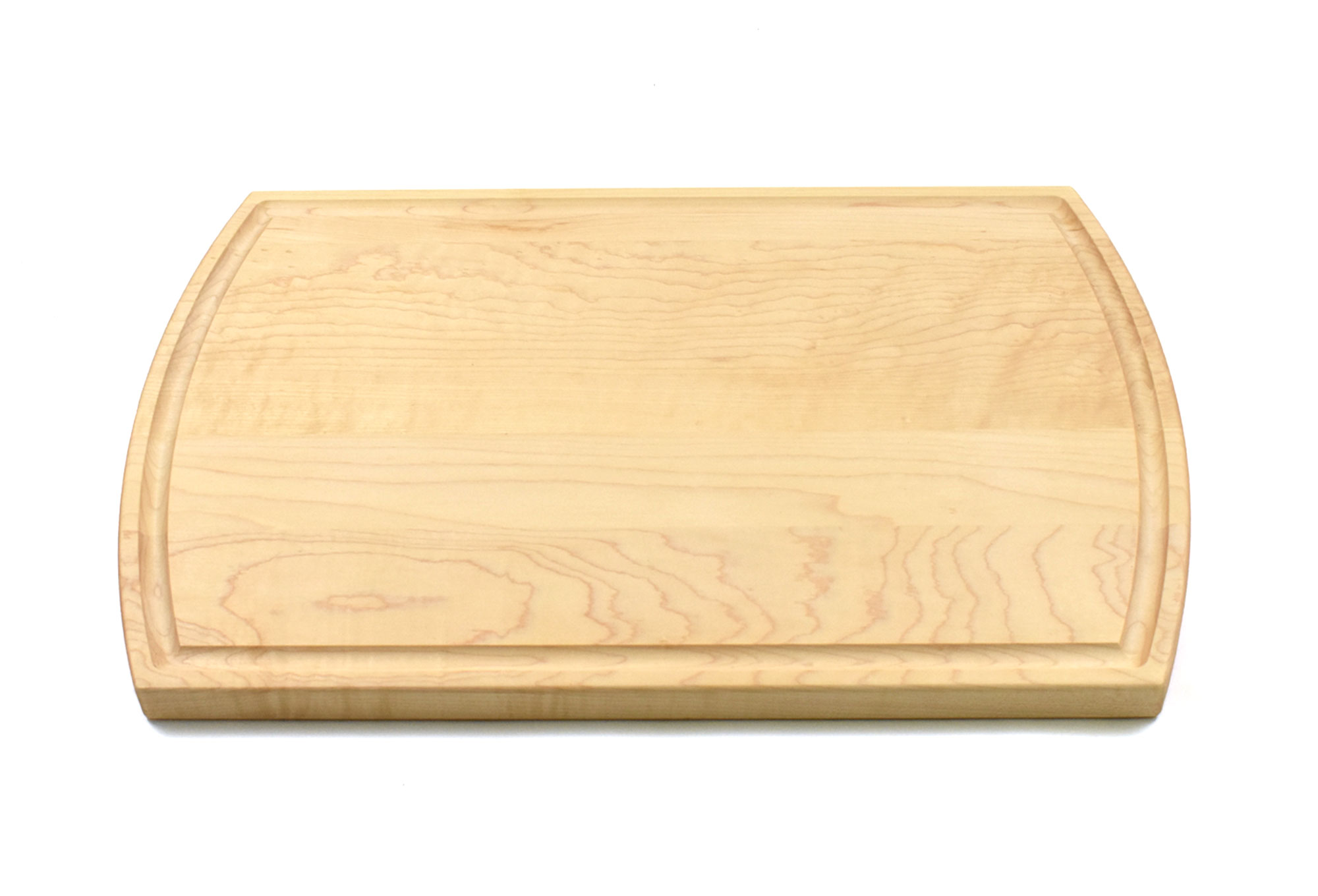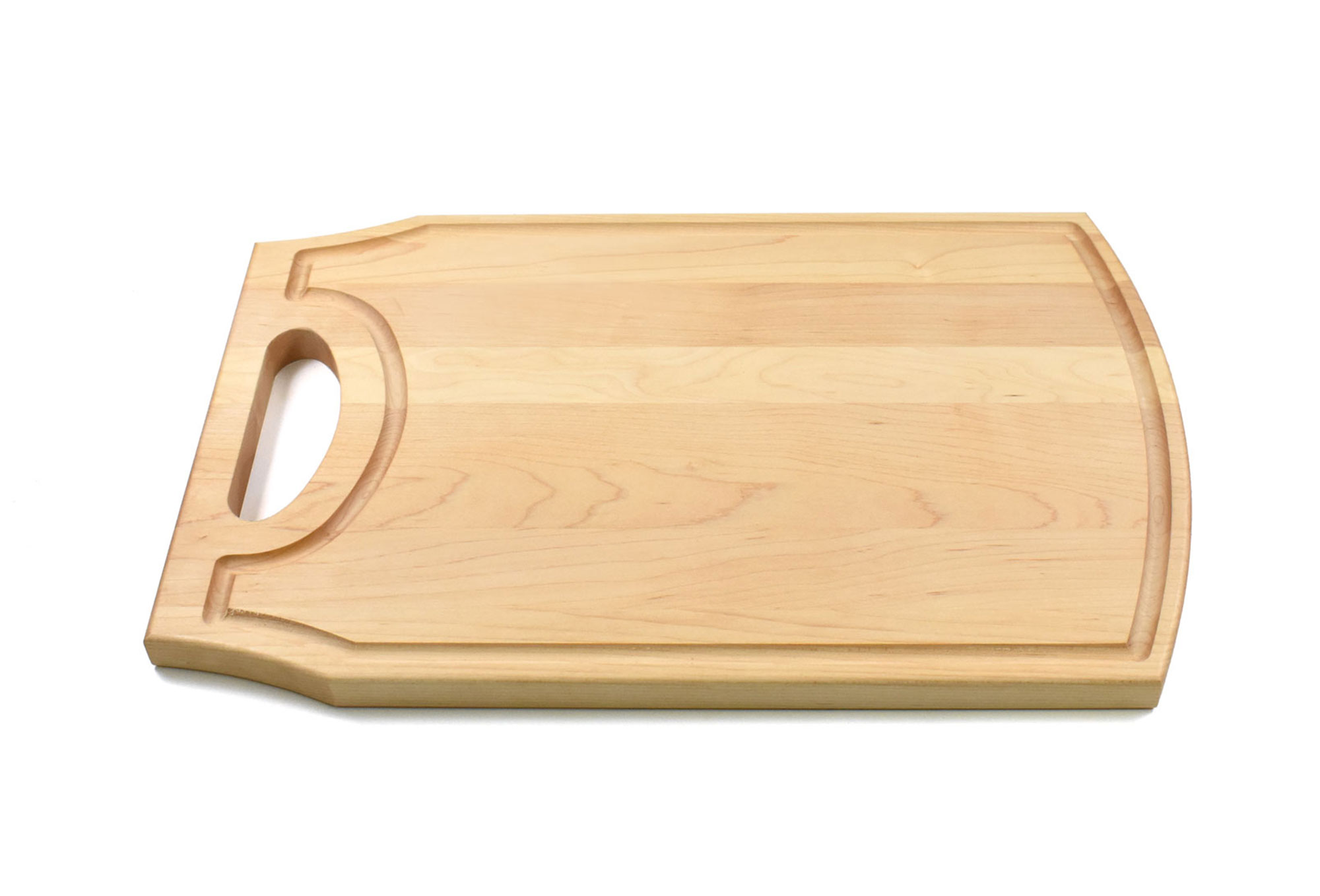
In restaurants, presentation matters just as much as function. Over the years, many establishments experimented with a wide range of serving materials, from plastic and melamine to slate, bamboo, and composite alternatives. But more and more restaurants are now returning to hardwood serving boards — and for good reason.
Hardwood serving boards offer a combination of durability, visual warmth, and timeless appeal that many alternative materials simply cannot match. For restaurants focused on guest experience, food presentation, and long-term value, hardwood is once again becoming the preferred choice.
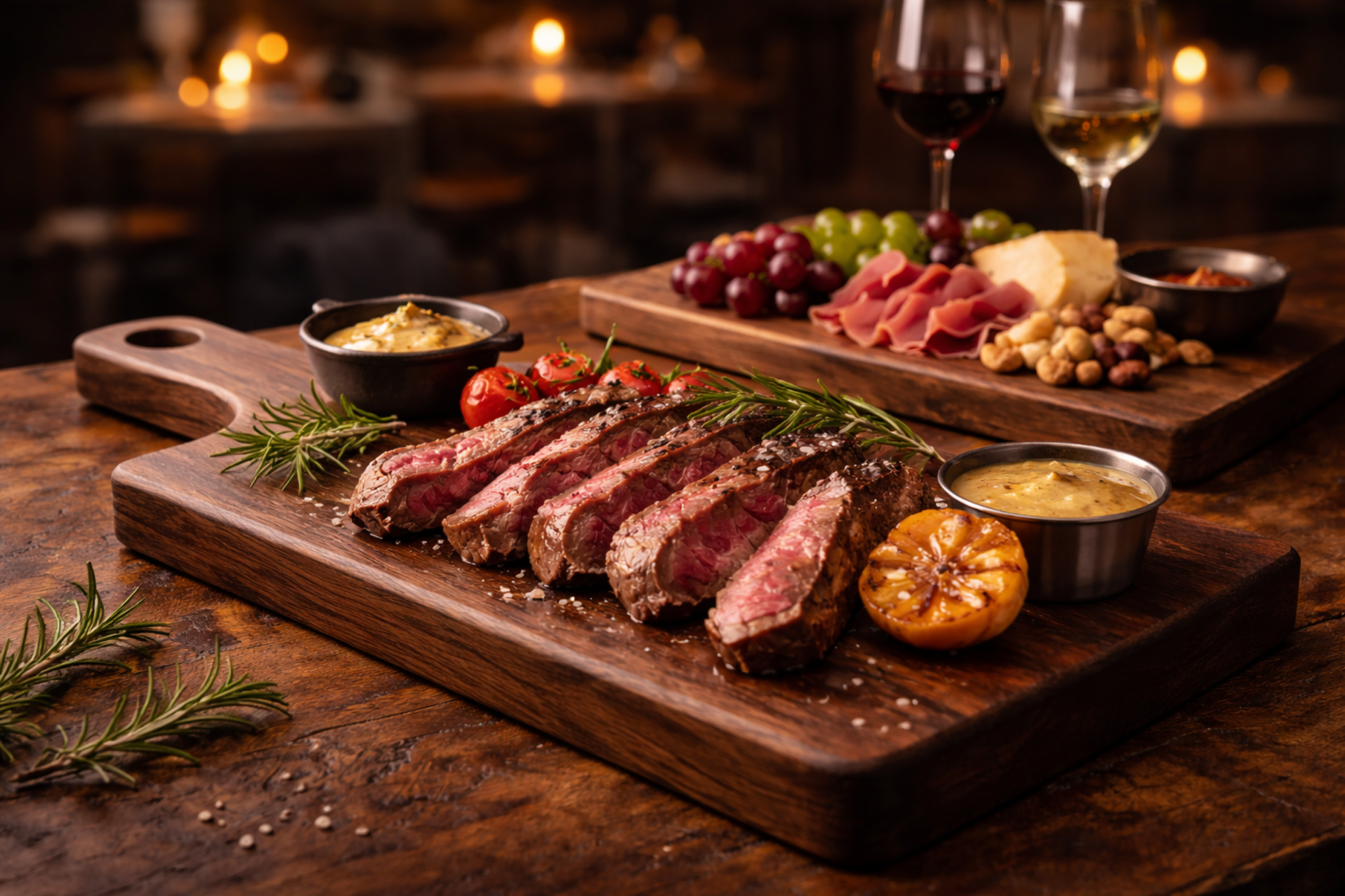
Food presentation plays a major role in how guests perceive quality. Hardwood serving boards bring a natural, premium look to the table that instantly makes dishes feel more thoughtful and well presented. Whether used for burgers, sandwiches, appetizers, cheeses, desserts, or sharing platters, wooden boards add texture and warmth that enhances the overall dining experience.
Unlike colder-looking materials such as plastic or metal, hardwood creates a more inviting atmosphere. It works especially well in restaurants that want to communicate authenticity, craftsmanship, and quality through every detail of service.
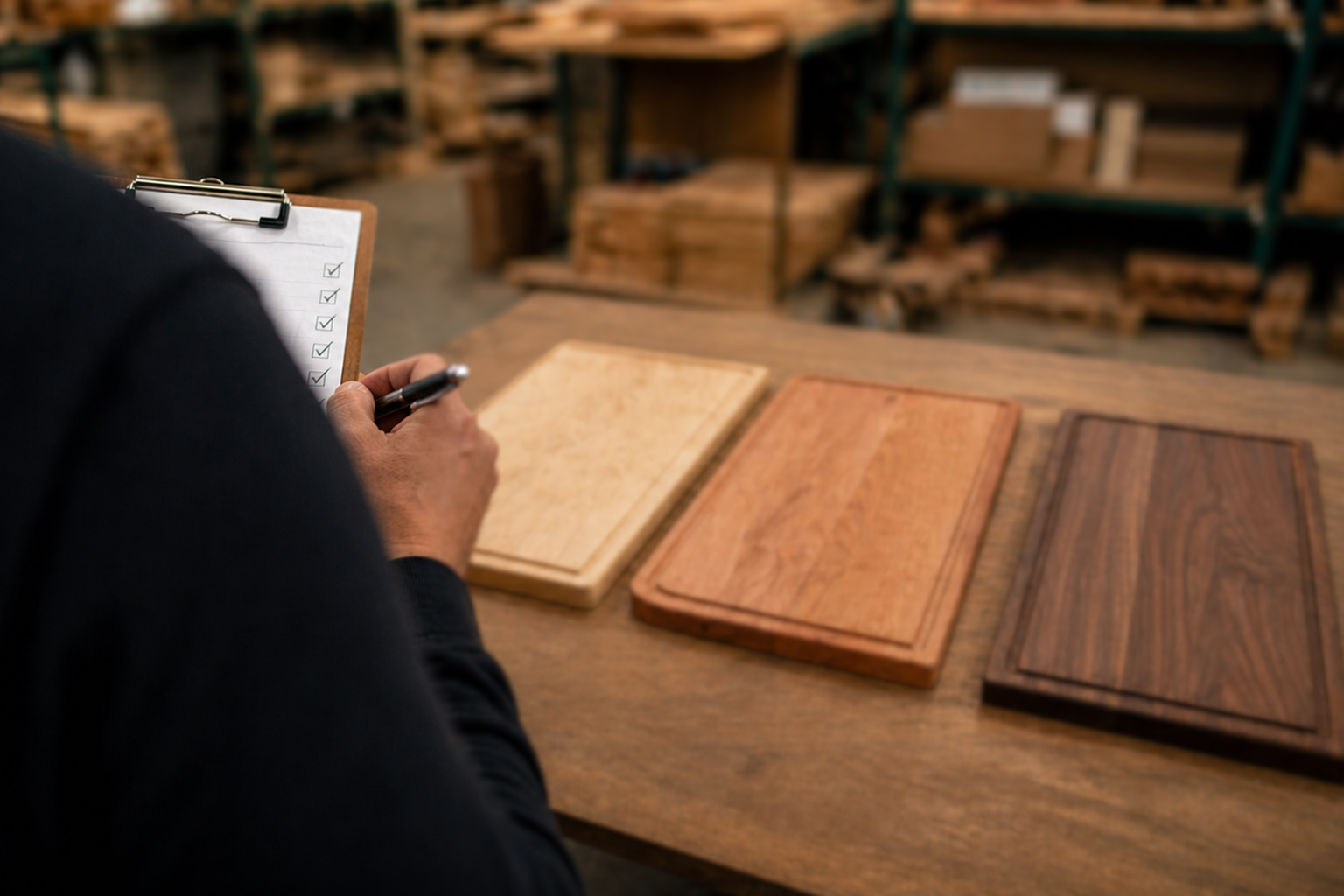
Restaurants need serving pieces that can handle repeated use in fast-paced environments. Hardwood boards are well-suited for that demand. When made from quality wood species such as maple, walnut, or cherry, they provide excellent durability and long service life.
Compared with lightweight or lower-grade materials that may warp, crack, chip, or look worn quickly, hardwood boards maintain their structure and appearance with proper care. For restaurants, that means fewer replacements over time and better value in the long run.
One reason hardwood serving boards continue to grow in popularity is their versatility. They suit a wide variety of restaurant aesthetics, from rustic pubs and casual cafés to modern bistros and upscale dining spaces.
Trends in tabletop presentation may change, but wood remains classic. Hardwood boards can complement both contemporary and traditional interiors, helping restaurants avoid overly trendy serving pieces that may feel outdated after only a short time.
Restaurants are also switching back to hardwood because of the branding potential it offers. Wooden serving boards can be custom-engraved with a logo, slogan, or branded design element, helping reinforce the restaurant’s identity at the table.
This is especially valuable for establishments that want a more distinctive presentation style or want to make signature dishes more memorable. A branded hardwood board can turn simple food service into a subtle but effective extension of the restaurant’s image.
Hardwood serving boards are especially useful for the types of dishes that continue to grow in popularity in restaurants: shareable appetizers, charcuterie, tasting assortments, flatbreads, dessert samplers, and other center-of-table presentations. Their solid construction gives restaurants a dependable surface for serving items that need to look organized, abundant, and easy for guests to access.
They also help create a stronger visual impact for specialty menu items. A chef’s feature, seasonal offering, or house signature dish can feel more intentional when presented on a hardwood board instead of a standard plate. In many cases, the serving board becomes part of the experience itself, helping the dish stand out and feel more memorable.
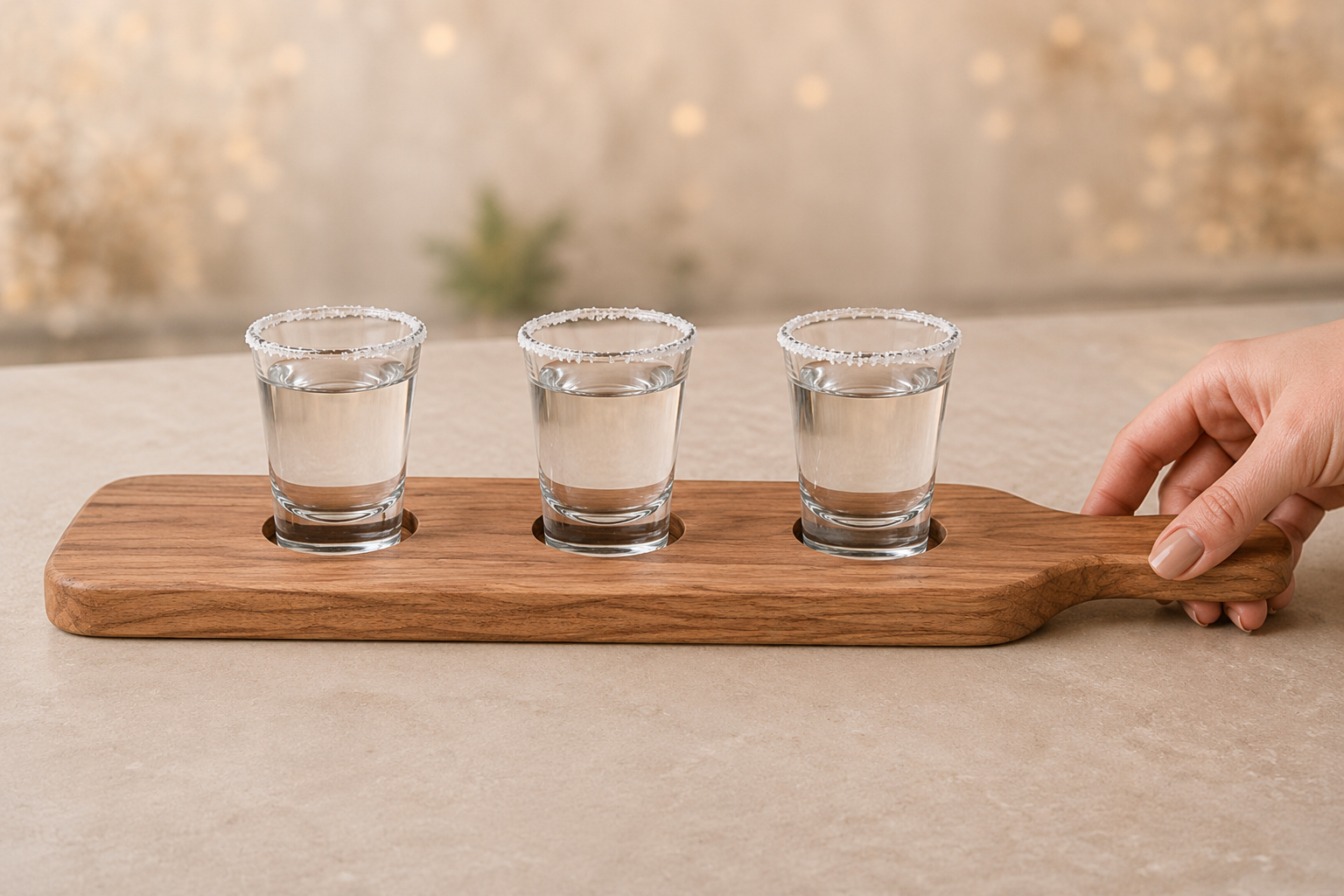
For restaurants offering flight boards, sampler menus, or appetizer combinations, hardwood is also practical from an operational standpoint. Boards can be produced in different sizes and shapes to match specific menu formats, making them useful for everything from individual service to larger group presentations.
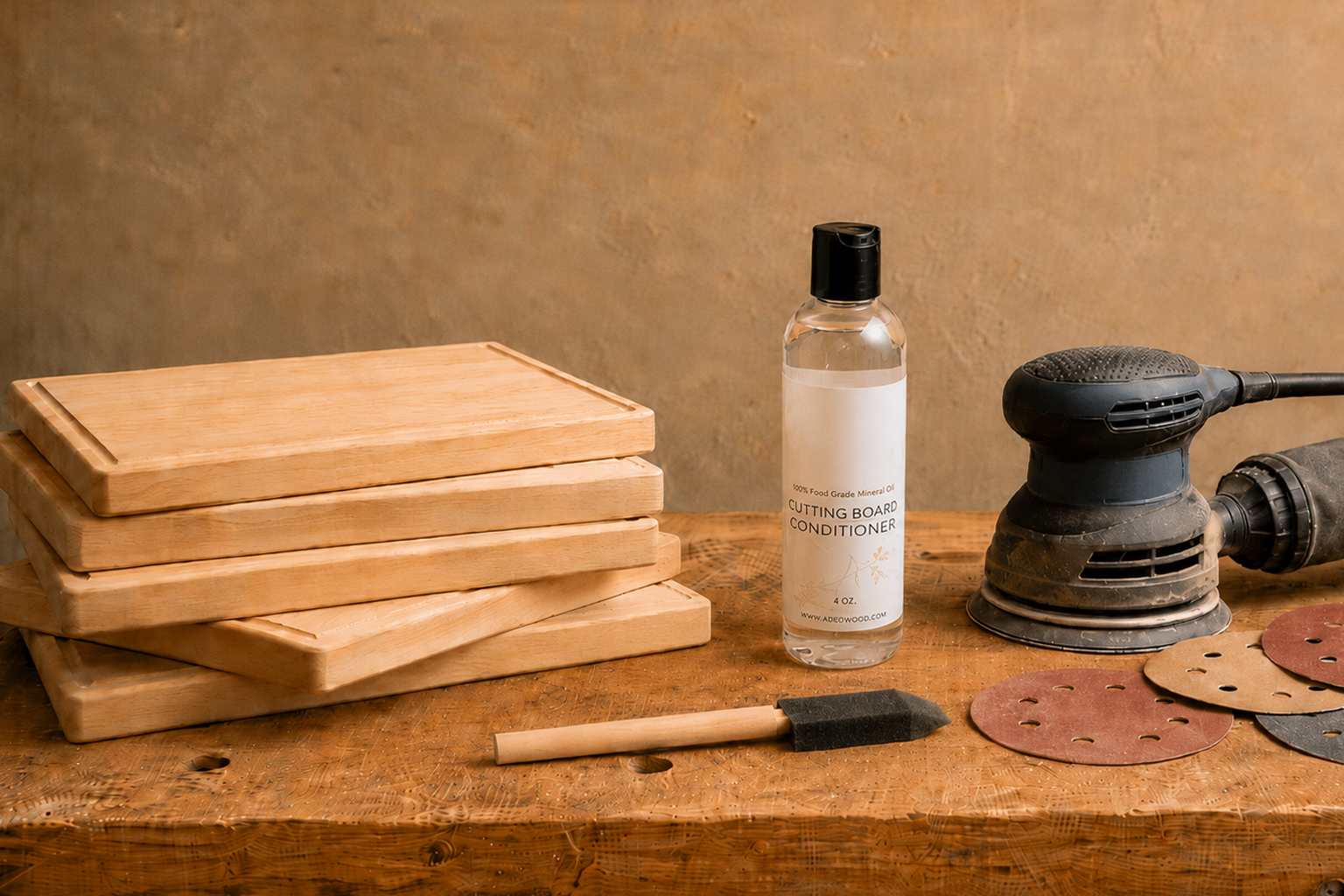
Hardwood serving boards can remain beautiful and functional for years without requiring complicated upkeep. With regular cleaning and occasional oiling, restaurants can help preserve the wood, prevent excessive drying, and maintain a polished appearance over time.
That makes hardwood a practical choice for busy restaurant settings. The care routine is straightforward, and the long-term result is a serving piece that continues to look professional while holding up well through repeated use.
For many restaurants, that balance of appearance, durability, and simple maintenance is part of what makes hardwood serving boards such a reliable option for everyday service.




 Manufactured in
 BRANDING SERVICES