


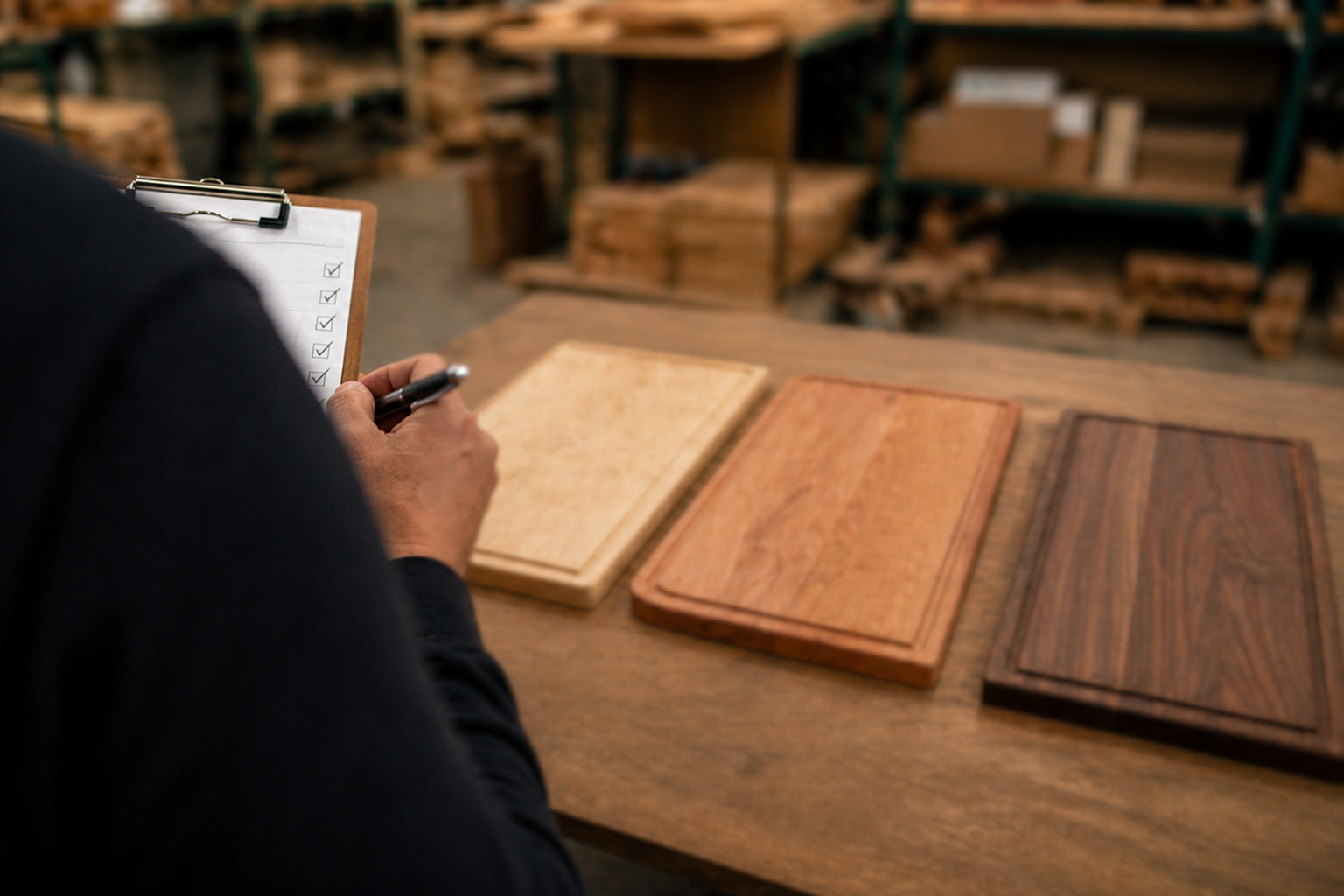
A practical guide to evaluating product quality, supplier reliability, and long-term value when sourcing wholesale cutting boards.
Sourcing wholesale cutting boards may seem straightforward at first, but for retailers, distributors, and businesses, the details matter. Product quality, consistency, and supplier reliability can all impact customer satisfaction and long-term profitability.
A well-chosen cutting board program is not just about the product itself — it’s about ensuring that what you offer aligns with your brand, your customers’ expectations, and your operational needs.
This checklist outlines the key factors businesses should consider when evaluating wholesale cutting boards.
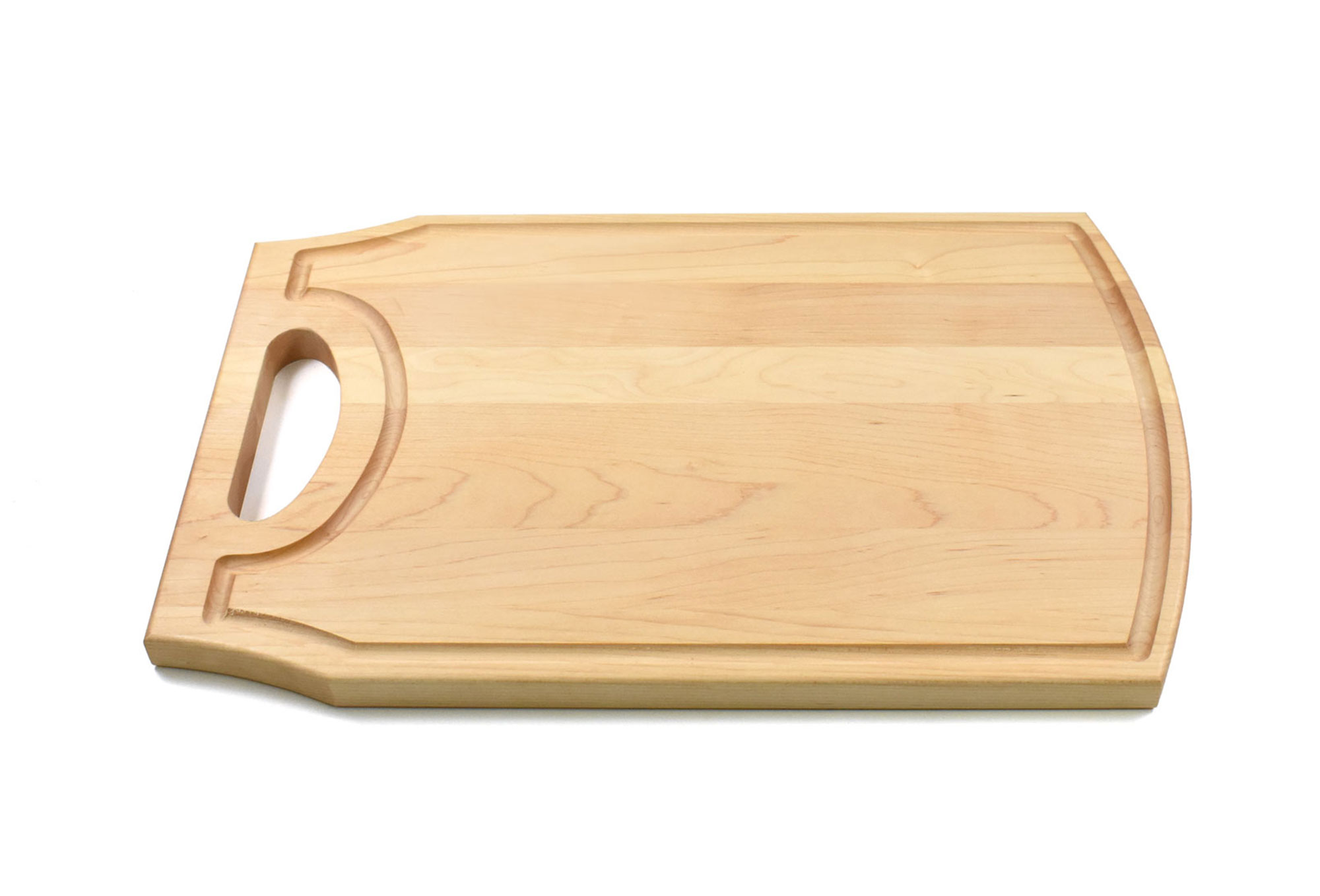
Not all wooden cutting boards are created equal. The type of wood used has a direct impact on durability, appearance, and performance.
Common hardwood options include:
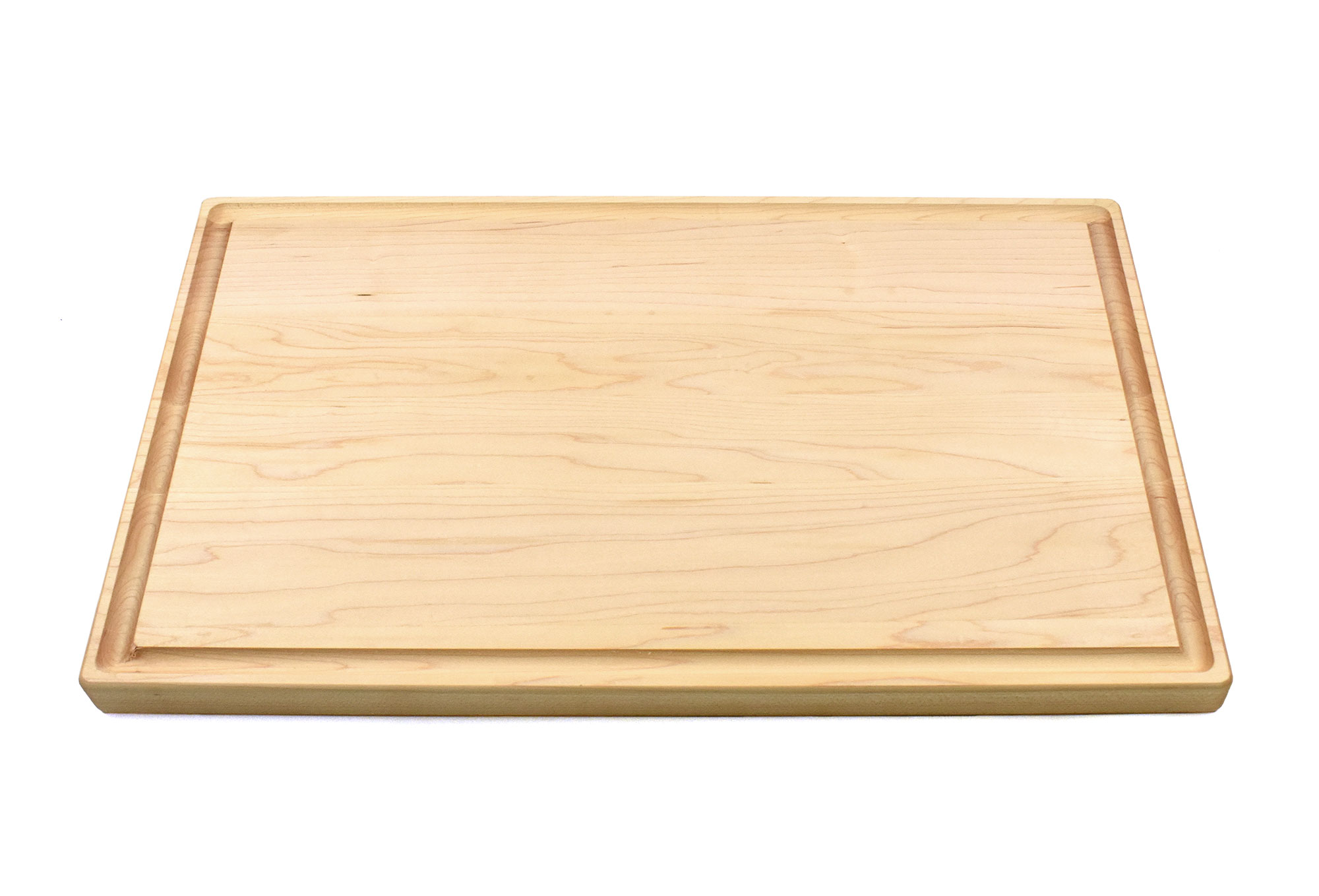
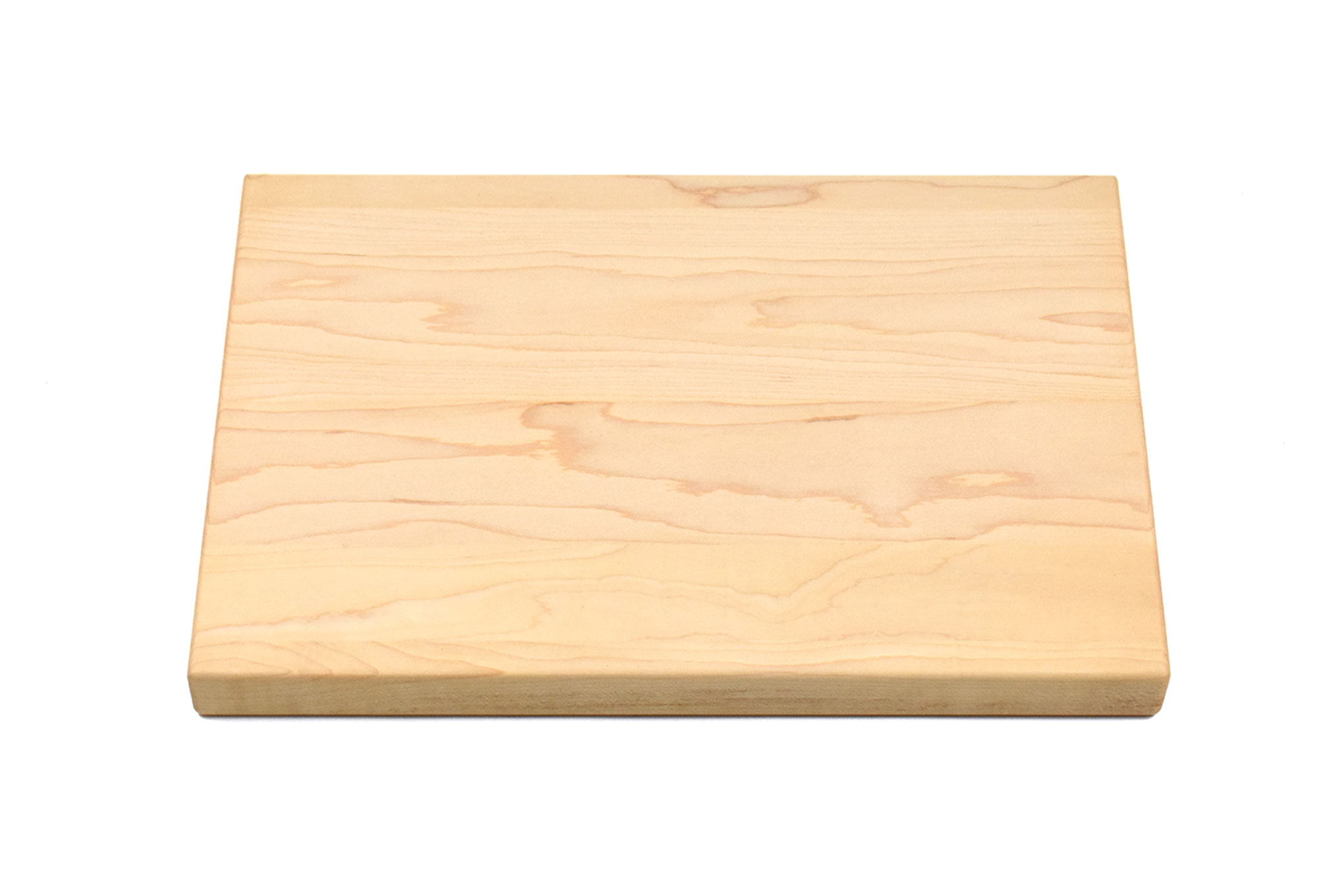
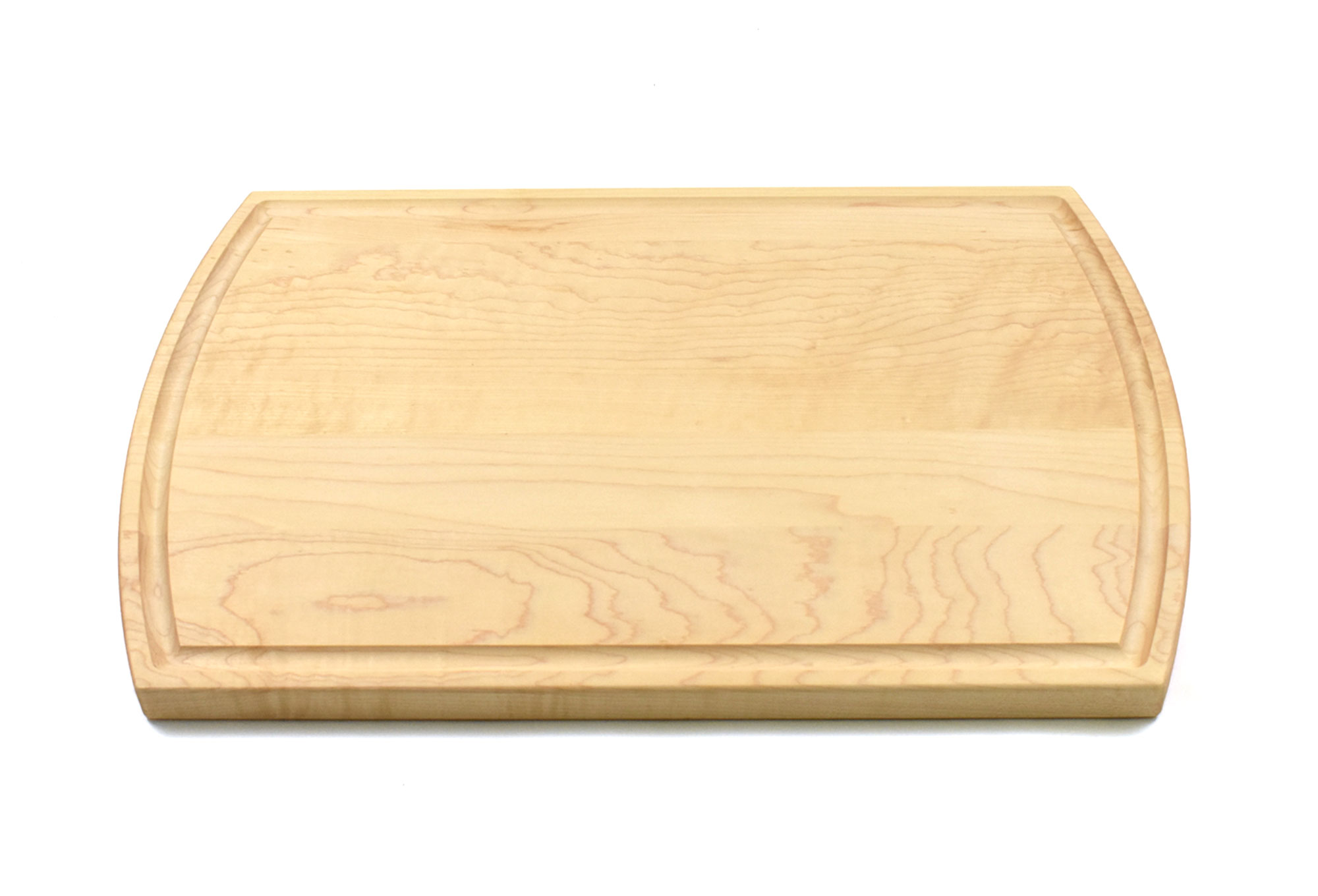
• Maple – durable, light-colored, and widely used
• Walnut – darker tone with a premium look
• Cherry – warm color that deepens over time
For wholesale buyers, consistency in wood selection is just as important as the species itself. Variations in grain, color, or quality can affect how the final product is perceived at retail.
The construction style affects both performance and price point.
• End grain boards are thicker and designed for heavy-duty use
• Edge grain boards are more cost-effective and suitable for everyday use
Understanding your target market will help determine which construction type makes the most sense for your product lineup.
A strong wholesale offering should include a range of sizes and formats.
Consider:
• Standard kitchen sizes
• Large boards for serving or presentation
• Specialty shapes (charcuterie, bread boards, etc.)
Offering variety allows you to serve different customer needs and price tiers without overcomplicating your inventory.
Cutting boards intended for kitchen use should be finished with food-safe oils.
A proper finish:
• Enhances the natural look of the wood
• Helps protect against moisture
• Supports long-term usability
Consistency in finishing is critical, especially when ordering in bulk.
For many businesses, customization is a key selling point.
Look for suppliers that offer:
• Laser engraving
• Logo placement options
• Consistent engraving quality
Reliable customization services can open opportunities in corporate gifting, promotional products, and private label programs.
Consistency is one of the most important factors in wholesale.
A reliable supplier should be able to:
• Maintain consistent product quality across batches
• Deliver within agreed timelines
• Communicate clearly about production and availability
This becomes especially important as your order volume grows.
Understanding MOQ requirements helps you plan inventory and cash flow.
Look for:
• Reasonable minimum order quantities
• Flexibility for repeat orders
• Scalable production capacity
A supplier that can grow with your business is a valuable long-term partner.
Lead times can directly affect your ability to restock and meet demand.
Key considerations include:
• Production timelines
• Shipping methods and costs
• Availability of stock for quick turnaround
For many businesses, having access to ready-to-ship inventory can be a major advantage.
Price is always a factor, but it should be evaluated in context.
Lower-cost products may come with trade-offs in:
• Material quality
• Finish consistency
• Longevity
A well-made cutting board often delivers better long-term value, both for your business and your customers.
Choosing the right wholesale cutting boards involves more than comparing prices. It requires a clear understanding of your market, your product positioning, and the level of quality your customers expect.
By evaluating suppliers and products using a structured checklist, businesses can build a more reliable, scalable, and competitive offering.
In the long run, the right decisions at the sourcing stage can make a measurable difference in both customer satisfaction and overall business performance.




 Manufactured in
 BRANDING SERVICES





.png)