Cutting boards continue to evolve beyond their traditional role as simple kitchen tools. In 2026, they are increasingly becoming design-driven products that combine practicality with visual appeal. For retailers and wholesale buyers, understanding these trends can help guide purchasing decisions and product selection.
From personalized engraving to new shapes and creative material combinations, cutting boards are adapting to modern kitchens, gifting markets, and promotional branding opportunities.
Customization remains one of the strongest trends in the cutting board market. Consumers are increasingly drawn to products that feel personal, unique, or tailored to a specific occasion.
Laser engraving technology allows standard wood cutting boards to become personalized products with minimal design changes. Popular engraving uses include:
• Family names and established dates
• Wedding and housewarming gifts
• Company logos for promotional products
• Decorative typography or simple artwork
For retailers and wholesale distributors, custom engraving adds significant value to a standard product. It also creates opportunities for branded merchandise programs and personalized gift items that appeal to a wide audience.
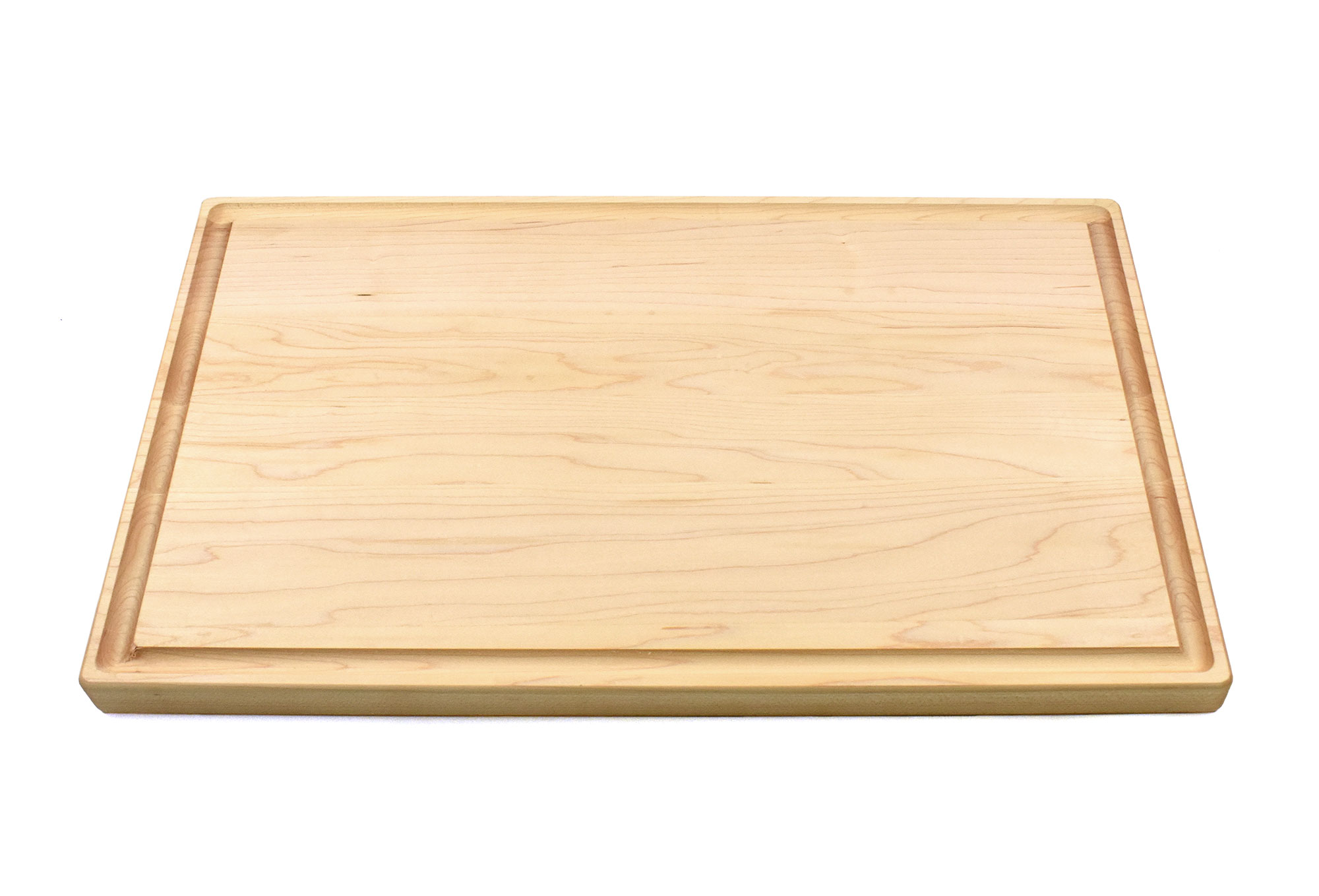
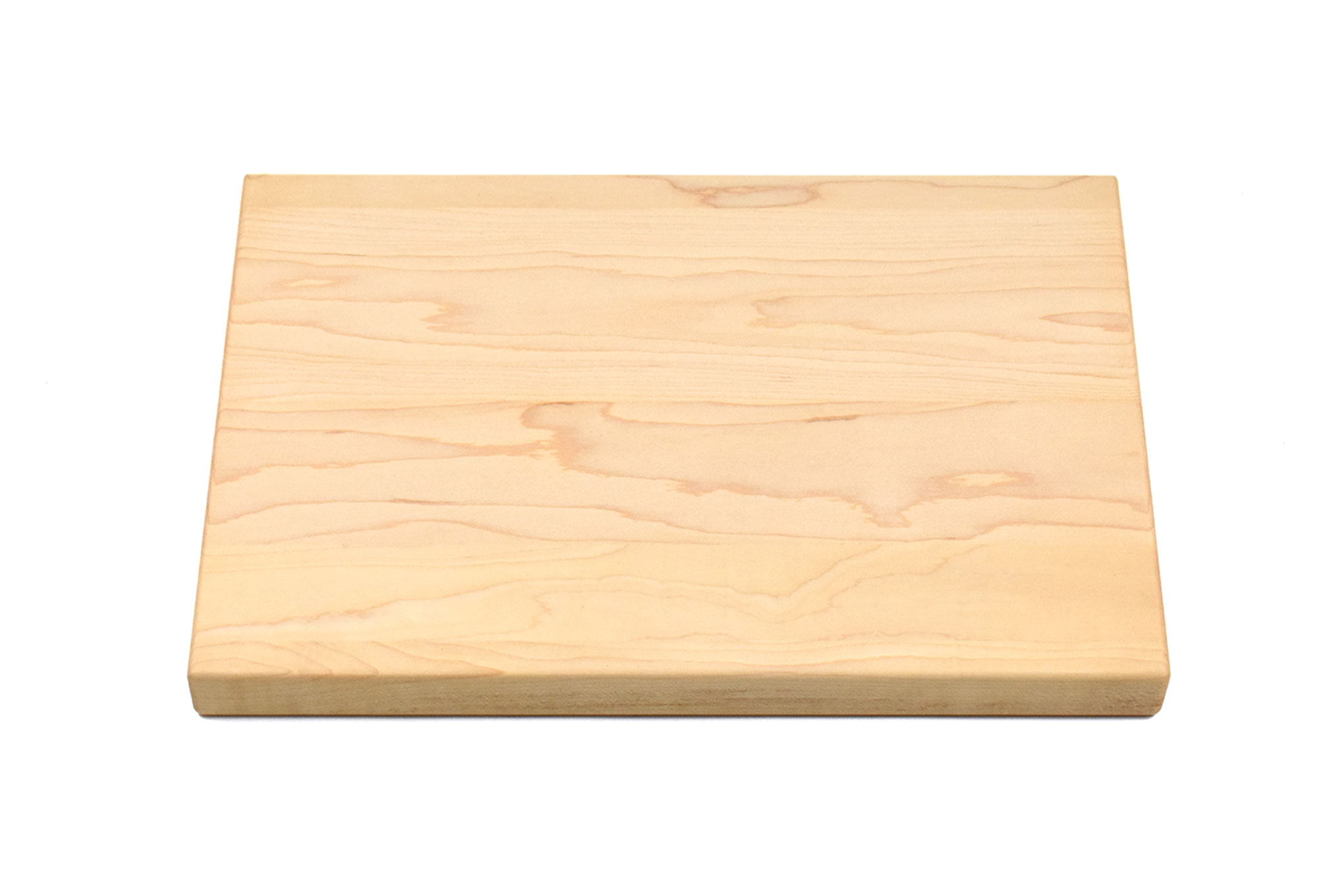
Despite the availability of plastic and composite alternatives, hardwood cutting boards remain the preferred option for both professional kitchens and home cooks.
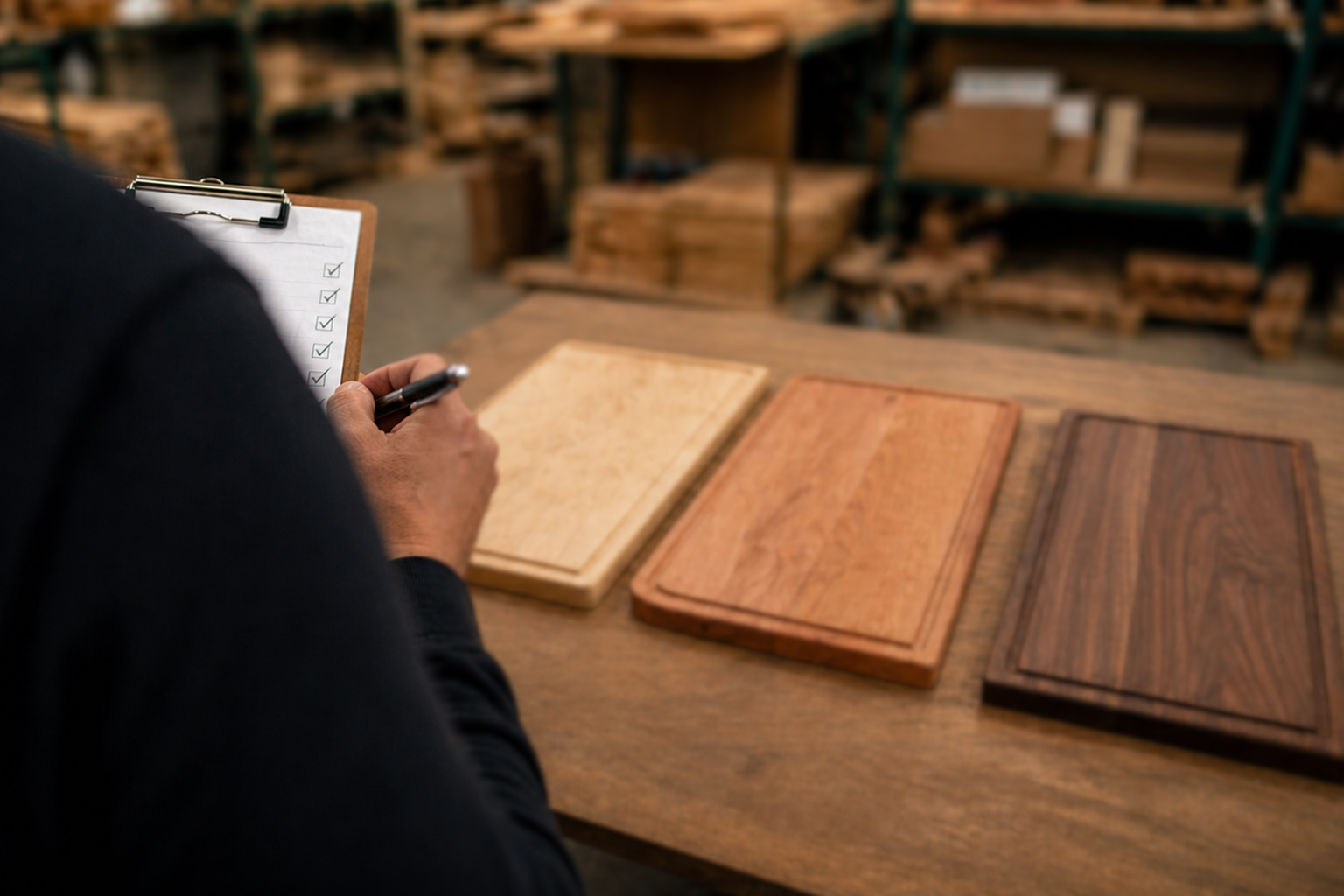
Woods such as maple, walnut, and cherry continue to dominate the category due to their durability, knife-friendly surface, and natural appearance.
Retail customers often choose hardwood boards because they offer:
• Long-lasting performance
• A premium and natural aesthetic
• Safe food preparation surfaces
• Timeless kitchen appeal
For wholesale buyers, hardwood cutting boards also present strong merchandising potential. Their natural grain patterns and warm tones make them visually attractive in kitchen stores, gift shops, and promotional catalogs.
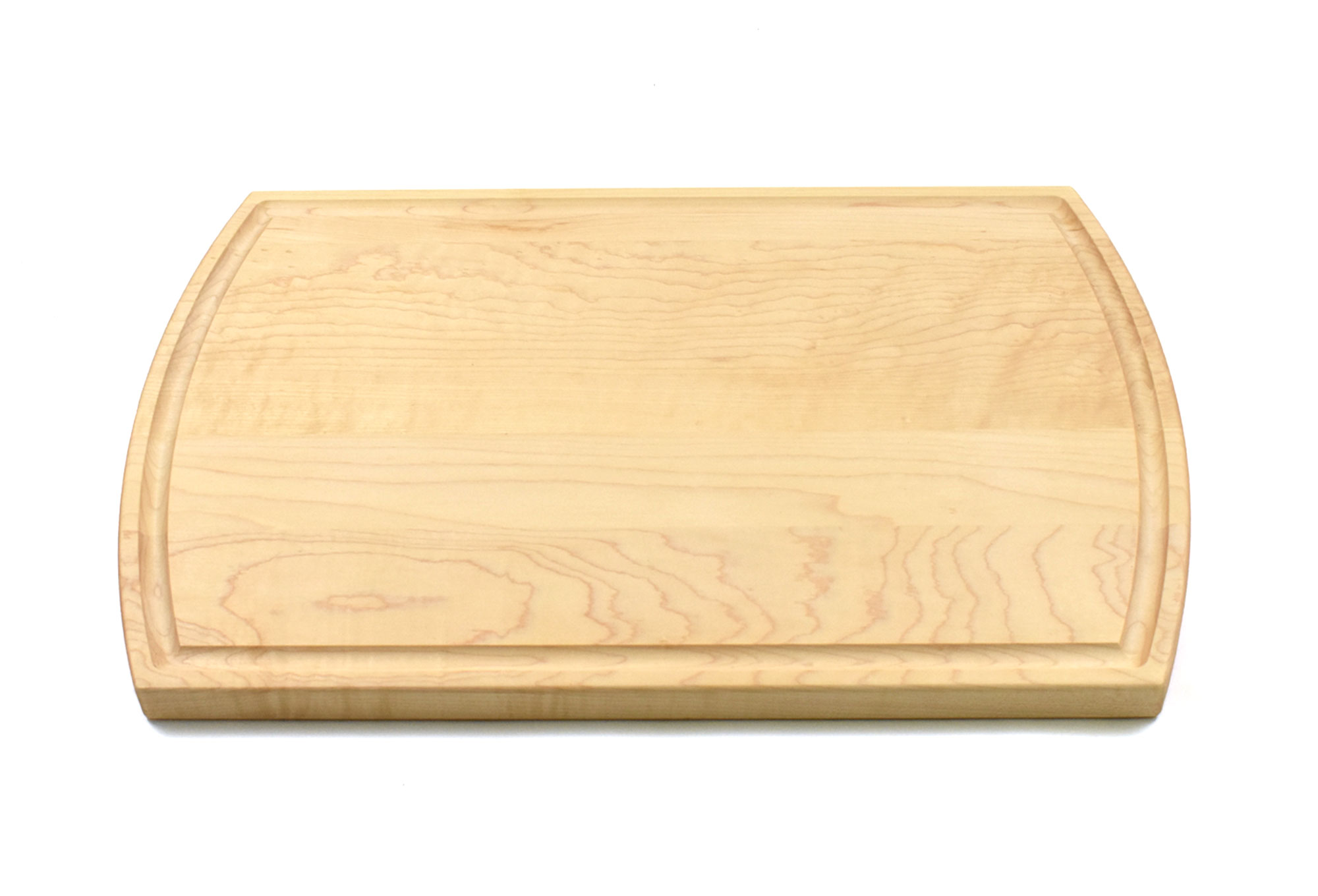
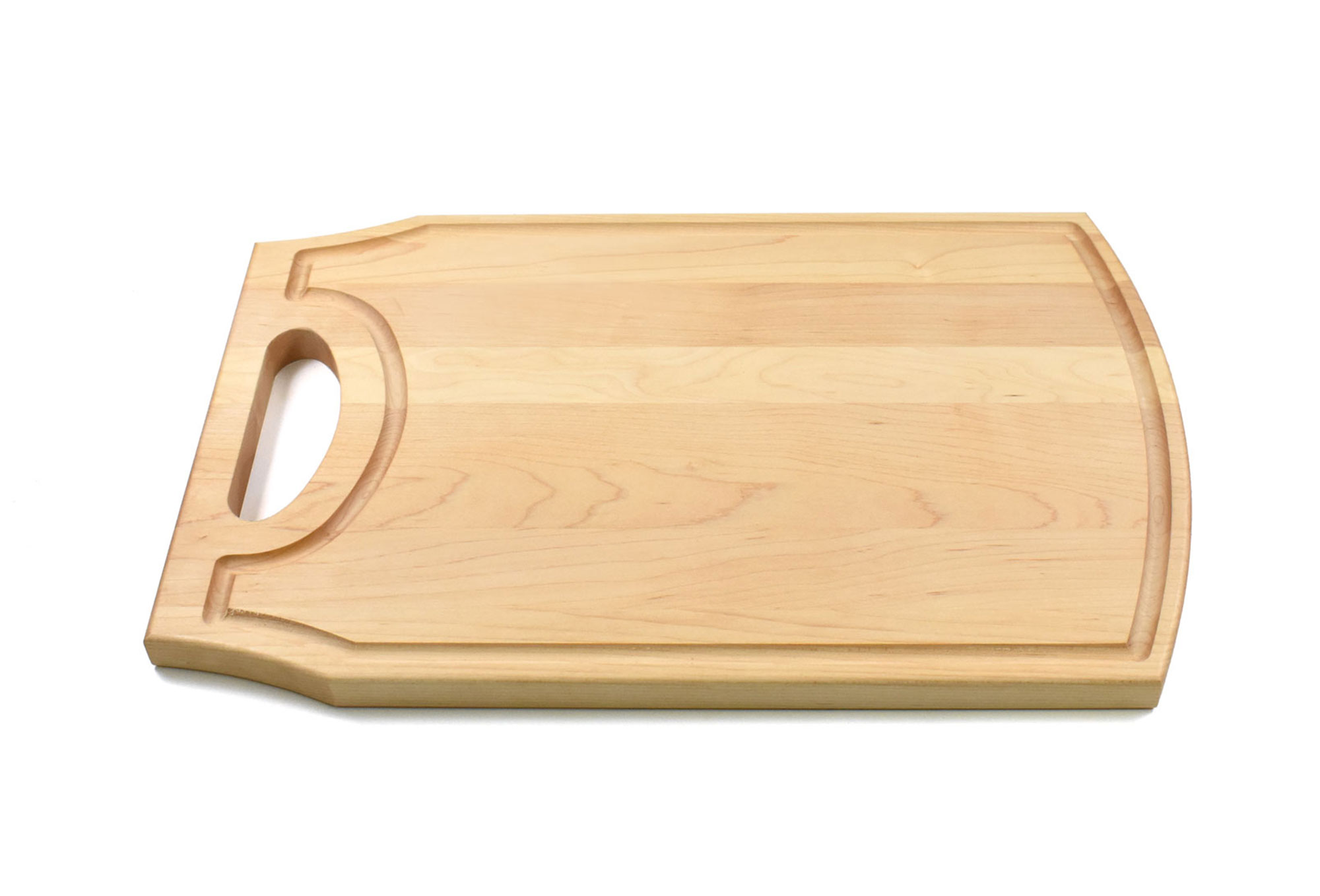
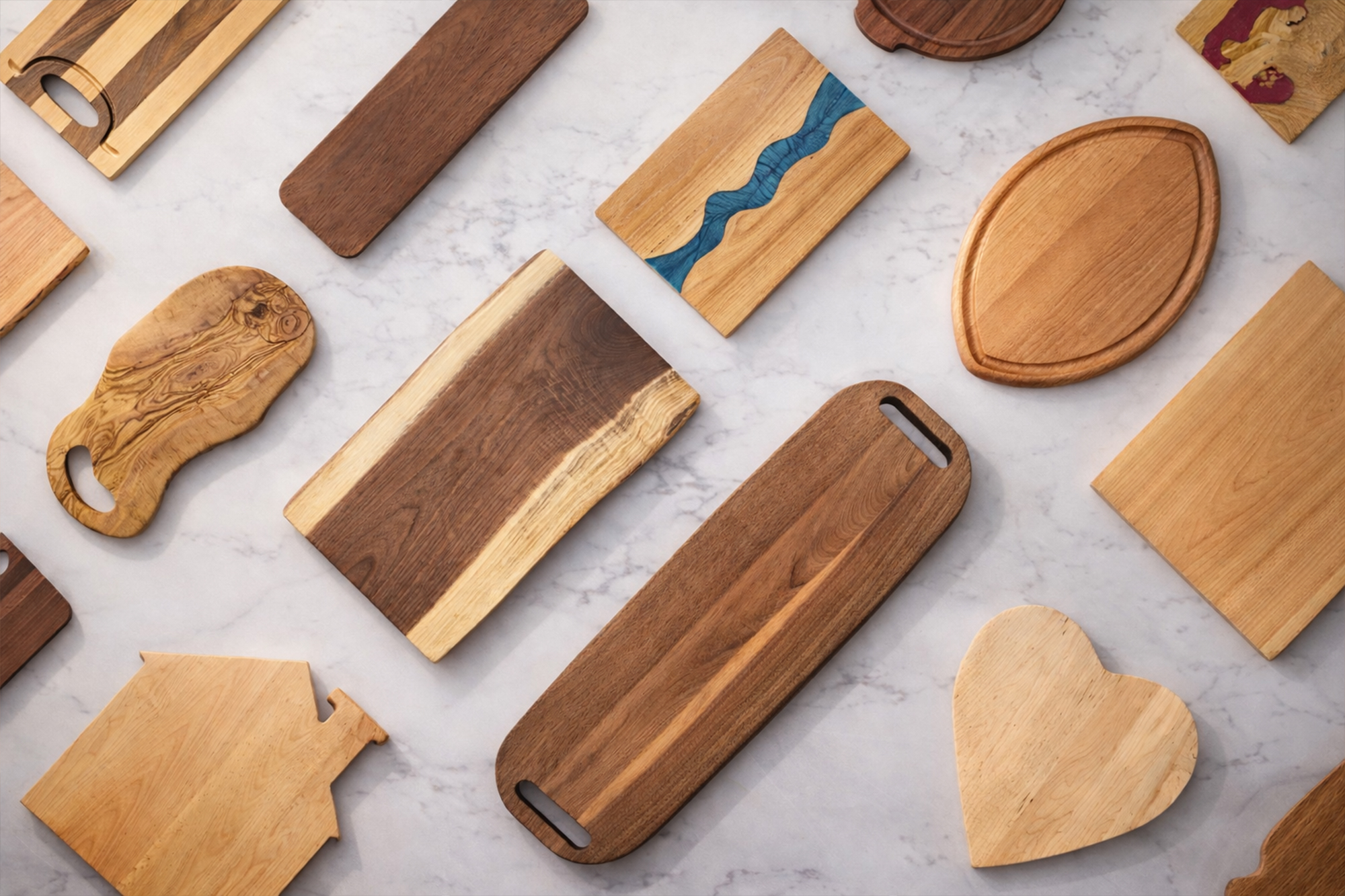
While the traditional rectangular board remains a staple, modern cutting board designs are expanding into new shapes and formats.
These shapes often blend food preparation with presentation, making them popular for both cooking and entertaining.
Some trending shapes include:
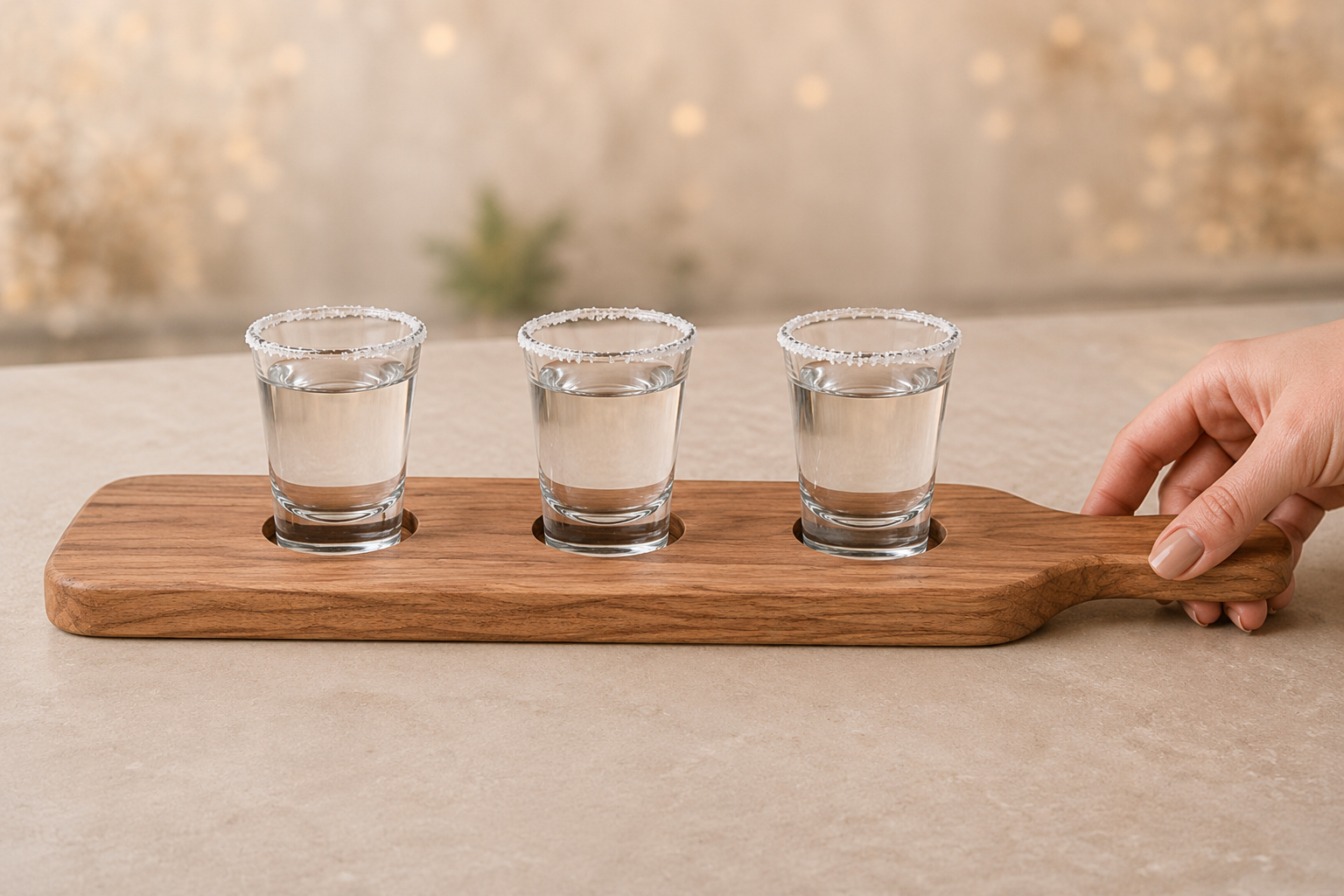
• Paddle boards with handles
• Bread boards designed for slicing loaves
• Long boards for charcuterie presentations
• Soft-curve silhouettes for a more organic look
Retailers benefit from offering a range of shapes because they appeal to different uses—from everyday kitchen prep to serving and entertaining.
Natural wood tones remain the foundation of most cutting board designs, but subtle color accents are becoming more common in modern collections.
Instead of bold colors, designers are incorporating controlled contrasts that highlight the wood while adding visual interest.
Examples include:
• Contrasting wood species combined in striped patterns
• Resin inlays used sparingly for color accents
• Dark and light hardwood combinations
These design details help cutting boards stand out on store shelves while maintaining the natural look that customers expect from hardwood kitchen products.
Another major trend is the growing popularity of cutting boards that serve multiple functions.
Many consumers now prefer boards that can move directly from food preparation to presentation. This is especially true in social dining environments where charcuterie boards, cheese platters, and wine pairings have become common.
Retail customers frequently use wood boards for:
• Charcuterie and appetizer displays
• Cheese and wine serving
• Kitchen countertop presentation
• Entertaining guests at home
Because of this versatility, cutting boards are increasingly positioned as both kitchen tools and serving pieces.
Sustainability continues to influence purchasing decisions in both retail and wholesale markets. Consumers are paying closer attention to how products are sourced and manufactured.
Cutting boards made from responsibly harvested hardwood or repurposed wood from other manufacturing processes are gaining attention.
Using reclaimed or repurposed wood not only reduces material waste but can also produce distinctive grain patterns that make each board unique.
Retailers who highlight responsible sourcing practices can strengthen their product story and appeal to environmentally conscious buyers.
The cutting board category continues to evolve as design, personalization, and functionality become increasingly important to consumers.
In 2026, the most successful cutting board products tend to share several characteristics:
• Customization potential through engraving
• Durable hardwood construction
• Unique shapes suited for both prep and presentation
• Subtle design elements that elevate visual appeal
• Sustainable materials and responsible sourcing
For retailers and wholesale buyers, staying aligned with these trends can help identify cutting board products that resonate with modern kitchens, gift markets, and promotional product programs.




 Manufactured in
 BRANDING SERVICES